
Mini Split Installation & Replacement in Dulac, LA
Explore top-tier mini split HVAC systems for superior cooling and humidity control in Dulac. Contact us for quick, efficient installs and replacement services!
Eliminate Inefficient Cooling and Unbearable Humidity
Experiencing unbearable heat and humidity at home is a constant battle when your current HVAC setup fails to keep up with the weather. Discover how our mini split systems can offer you relief and efficiency by targeting specific zones in your property. Contact us today at [Phone Number] or inquire about our available financing options to upgrade your comfort immediately.
Living in Dulac means dealing with high temperatures and oppressive moisture levels that can make any room feel uncomfortable without precise climate control. Relying on window units that are loud and inefficient, or a central system that leaves hot spots in certain rooms, is not a sustainable solution. A ductless mini split system solves these specific airflow and temperature regulation issues directly.
- Efficient cooling power that is specifically rated to handle the harsh heat and humidity common in this region.
- Quick installation timelines that ensure minimal disruption to your daily routine or home structure.
- Energy-efficient inverter technology designed to significantly reduce monthly utility bills compared to traditional units.
All installations are backed by full warranties and are strictly compliant with local building codes to ensure long-term reliability.
Scope of Mini Split Installation and Replacement Services
When you choose to install or replace a mini split system, you are investing in a solution that offers superior control over your indoor environment. Unlike central air conditioning, which relies on extensive ductwork that can lose energy through leaks and uninsulated spaces, a mini split system delivers air directly into the zone where it is needed. This direct approach eliminates energy waste and provides immediate relief from the heat.
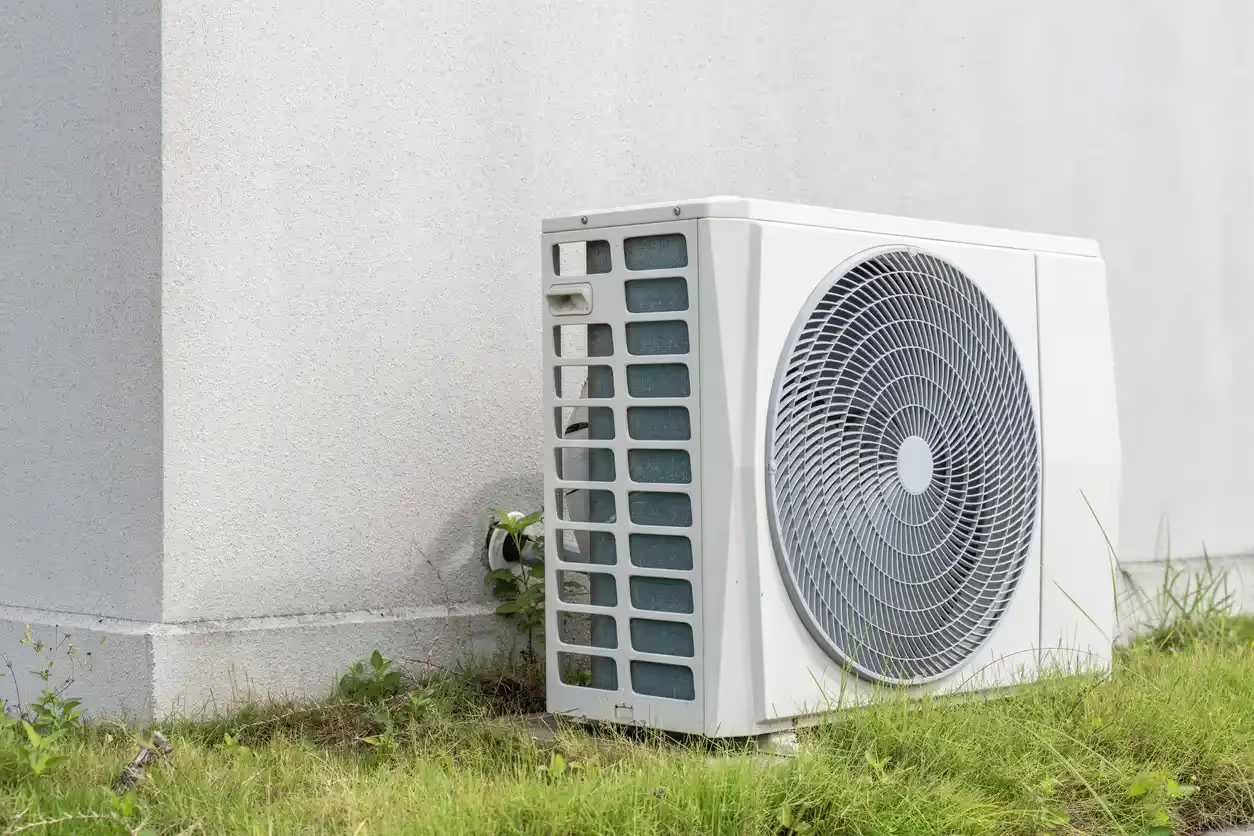
Homeowners investing in this technology today receive a system comprised of two main components: an outdoor compressor/condenser and an indoor air-handling unit. A conduit, which houses the power cable, refrigerant tubing, and a condensate drain, links the outdoor and indoor units. This setup allows for a non-invasive installation that preserves the architectural integrity of your home while delivering modern cooling standards.
The scope of a professional installation includes a comprehensive load calculation. This calculation is critical because an oversized unit will short-cycle—turning on and off too frequently—which fails to remove humidity effectively. An undersized unit will run continuously, driving up energy costs without ever reaching the desired temperature. Martin's Heating & Air Conditioning ensures that every unit is sized precisely for the square footage and thermal characteristics of the specific room it serves.
Current systems also feature advanced filtration capabilities. The indoor units are equipped with washable filters that trap dust, pollen, and other allergens. This is a significant advantage for maintaining indoor air quality, especially during seasons when allergens are high. Furthermore, modern mini splits often come with heating capabilities, providing a year-round solution that handles the mild winters just as effectively as the scorching summers.
The Installation and Replacement Process Explained
A professional installation follows a strict protocol to ensure the system operates at peak efficiency for its entire lifespan. Skipping steps or using amateur techniques can lead to refrigerant leaks, drainage issues, and electrical hazards.
Site Assessment and Load Calculation
The process begins with evaluating the space. Technicians verify the wall strength for mounting the indoor unit and identify the optimal location for the outdoor condenser. The distance between the two units is measured to determine the length of the line set required. This stage also involves verifying electrical capacity to ensure the home’s panel can support the new equipment.
Mounting the Indoor Unit
The indoor unit requires a mounting plate secured to the wall studs. It must be perfectly level to ensure proper drainage of condensate. If the unit is tilted, water can pool inside and leak down the wall rather than draining outside. Technicians drill a small pilot hole, usually three inches in diameter, through the wall to feed the refrigerant lines, drain tube, and control wiring to the exterior.
Installing the Outdoor Condenser
The outdoor unit is placed on a composite pad or mounted on wall brackets, depending on local ground conditions and flood risks. In areas with high precipitation, elevating the unit is often necessary to prevent water damage or debris accumulation. The unit must have sufficient clearance on all sides to allow for proper airflow; restricted airflow causes the compressor to overheat and fail prematurely.
Connecting the Line Set
Technicians run the refrigerant lines and electrical wiring through the conduit from the indoor unit to the outdoor condenser. This is a critical step where precision is mandatory. The connections must be flared correctly to create a hermetic seal. Improper flaring is the number one cause of refrigerant leaks in mini split systems.
Vacuuming and Pressure Testing
Once the lines are connected, the system is not immediately turned on. A vacuum pump is used to remove all moisture and air from the lines. Moisture inside the refrigerant lines can freeze and block the flow or react with the oil to create acid, which corrodes the compressor. After vacuuming, the system is pressure-tested to guarantee there are no leaks.
Final Electrical and Drainage Check
The final connections to the power supply are made, and the condensate drain is tested. Technicians pour water into the indoor unit’s drain pan to ensure it flows freely to the designated outdoor discharge point. Finally, the system is powered on, and the temperature differential is measured to verify it is cooling within manufacturer specifications.
Deciding When to Replace vs. Repair
Determining whether to repair an existing mini split or replace it entirely is a financial decision based on the age of the unit, the cost of repairs, and current efficiency standards. While these systems are durable, they do not last forever, and diminishing returns on repairs can drain a budget quickly.
The 50% Rule
A general guideline used in the industry is the 50% rule. If the cost of the repair approaches 50% of the value of a new system, replacement is the more prudent financial choice. Investing half the cost of a new unit into an old machine that may fail again in a year often results in higher long-term expenditure.
Age of the Equipment
Most ductless mini split systems have a lifespan of 12 to 15 years with proper maintenance. If a unit is over 10 years old and requires a major component replacement, such as a compressor or a control board, replacement is usually recommended. Newer models offer significantly higher SEER2 (Seasonal Energy Efficiency Ratio) ratings, meaning the energy savings alone can offset the monthly cost of a new installation.
Refrigerant Type
Older units may utilize R-22 refrigerant, which has been phased out due to environmental regulations. If an older unit develops a leak, sourcing R-22 is incredibly expensive and increasingly difficult. Replacing the unit with one that uses R-410A or newer refrigerants is not only better for the environment but also much cheaper to service in the future.
Inconsistent Performance
If the system no longer maintains the set temperature, makes excessive noise, or fails to dehumidify the room, the internal components are likely worn beyond reasonable repair. In humid climates, the inability to dehumidify is a critical failure point that can lead to mold growth and discomfort, necessitating an immediate upgrade.
Local Factors Affecting Systems in Dulac
Operating HVAC equipment in Dulac requires specific attention to environmental factors that are not present in drier or cooler climates. The specific weather patterns here dictate not just how often the system runs, but how it must be installed and protected.
Humidity Management
The primary challenge in this region is humidity. A mini split must be capable of running in "dry mode" or have a variable speed compressor that can ramp down to remove moisture without overcooling the space. Systems without this capability will leave the air feeling clammy and cold, rather than cool and crisp.
Corrosion and Salinity
Proximity to the coast means the air carries a higher salt content. This can lead to accelerated corrosion on the outdoor condenser coils. Choosing equipment with anti-corrosive coatings (often called "gold fin" or "blue fin" technology) is essential for extending the lifespan of the unit. Additionally, the mounting hardware should be rust-resistant to prevent structural failure.
Hurricane Season Preparation
During the hurricane season, from June to November, wind loads are a serious concern. Outdoor units must be securely anchored to their concrete pads or wall brackets using hurricane straps or specific tie-down methods required by local code. Elevating units is also common practice to protect against potential storm surges or localized flooding during heavy rain events.
Permitting and Electrical Codes
Local regulations regarding electrical work are strict. A mini split installation requires a dedicated circuit to prevent overloading the home’s electrical panel. Professional installers ensure that all wiring, disconnect boxes, and conduit runs meet the specific codes enforced in the area. This prevents safety hazards and ensures that the installation passes any required municipal inspections.
Why Inverter Technology is Essential
Modern mini split systems utilize inverter-driven compressors, which is a significant differentiator from older, non-inverter technology. In the past, air conditioners operated on an all-or-nothing basis: the compressor ran at 100% capacity until the thermostat was satisfied, then shut off completely. This on-off cycling causes temperature fluctuations and high energy consumption due to the power surge required to start the motor repeatedly.
Inverter technology allows the compressor to vary its speed. It creates a variable cooling output, adjusting precisely to the load required to maintain the set temperature. If the room needs only a slight adjustment to stay cool, the compressor runs at a low speed. This is particularly vital for comfort in Louisiana. By running longer at lower speeds, the unit remains in contact with the air for extended periods, allowing it to extract more humidity than a system that blasts cold air and then shuts off.
This technology also results in quieter operation. Without the jarring noise of a compressor kicking on and off, the background sound is a consistent, low hum that is often imperceptible. For bedrooms and living areas, this acoustic comfort is just as important as the thermal comfort.
Professional Installation Ensures Warranty Coverage
Manufacturers of high-quality mini split systems are very specific about warranty terms. Most warranties are contingent upon the equipment being installed by a licensed and certified HVAC professional. DIY installations or work performed by unlicensed handymen often void the manufacturer's warranty immediately.
A professional installation involves registering the product and documenting the installation parameters, such as pressure tests and vacuum readings. This documentation proves that the equipment was installed according to engineering standards. Should a component fail within the warranty period, having this paper trail is essential for processing a claim and receiving replacement parts without cost.
Martin's Heating & Air Conditioning adheres to all manufacturer guidelines to ensure that your investment is fully protected. From the torque specifications on the flare nuts to the voltage readings on the control board, every detail is managed to valid warranty requirements.
Securing Your Home Comfort
Choosing the right system involves more than just picking a brand; it requires calculating the thermal load of the room, considering the layout for airflow, and understanding the electrical requirements of the home. A mini split offers a flexible, energy-efficient solution for room additions, converted garages, or older homes where ductwork is impossible to install.
Proper maintenance following installation is the final piece of the puzzle. Regularly cleaning filters and scheduling annual check-ups for the outdoor condenser ensures efficiency remains high year after year. Neglecting these simple tasks can reduce efficiency by up to 5% per year, negating the benefits of the high-efficiency equipment.
For homeowners seeking to eliminate hot spots and control humidity effectively, a ductless system provides the targeted performance required. We provide the expertise needed to select, place, and install these systems for maximum longevity and performance.
Take control of your indoor climate today.
Talk to a Local HVAC Expert

.avif)