Electric Panel Upgrade & Replacement in Larose, LA
Upgrade your home's electrical panel with our professional installation in Larose. Ensure safety, meet current codes, and handle modern power demands.
Is Your Home’s Electrical Infrastructure Safe and Efficient?
Facing flickering lights, breakers that trip too often, or outlets that feel warm to the touch indicates your current system is struggling to keep up. Contact us immediately to schedule a safety inspection or to apply for financing options for a full replacement.
In Larose, older homes often lack the electrical capacity required to run modern appliances, HVAC systems, and electronics simultaneously without overloading the circuit. When your electrical panel is outdated, it is not merely an inconvenience; it represents a significant fire hazard and a risk to your property. Martin's Heating & Air Conditioning provides comprehensive upgrades to ensure your home meets current safety standards and energy demands.
- Ensure safe, consistent, and adequate power distribution throughout your entire home.
- Receive a customized panel upgrade designed to handle your specific electrical load and future renovations.
- Benefit from professional, code-compliant installations that minimize disruption to your daily routine.
All installations are fully up to code, backed by robust warranty options, and accessible through flexible financing plans.
The Scope of a Comprehensive Panel Upgrade
Updating an electrical panel involves much more than simply swapping out a metal box. It is a complete modernization of your home’s energy entry point. Most older properties operate on 60-amp or 100-amp service, which was sufficient decades ago but is woefully inadequate for today's high-consumption households. Modern living requires running dishwashers, washing machines, high-efficiency HVAC units, and electric vehicle chargers—often all at once.
A standard upgrade typically involves increasing your residential capacity to 200 amps. This increase allows for more circuits, reducing the load on individual wires and preventing overheating. The service includes the installation of a new main breaker, a new grounding system for safety, and the replacement of the weather head and service entrance cable if they are deteriorated.
Furthermore, modern panels are equipped with advanced safety technology. This includes Arc-Fault Circuit Interrupters (AFCI), which detect dangerous electrical arcs that can cause fires, and Ground-Fault Circuit Interrupters (GFCI) to prevent shock in wet areas. By upgrading, you also gain the physical space needed to add dedicated circuits for sensitive electronics or heavy-duty appliances, eliminating the need for dangerous extension cords or power strips.
Detailed Steps of the Replacement Process
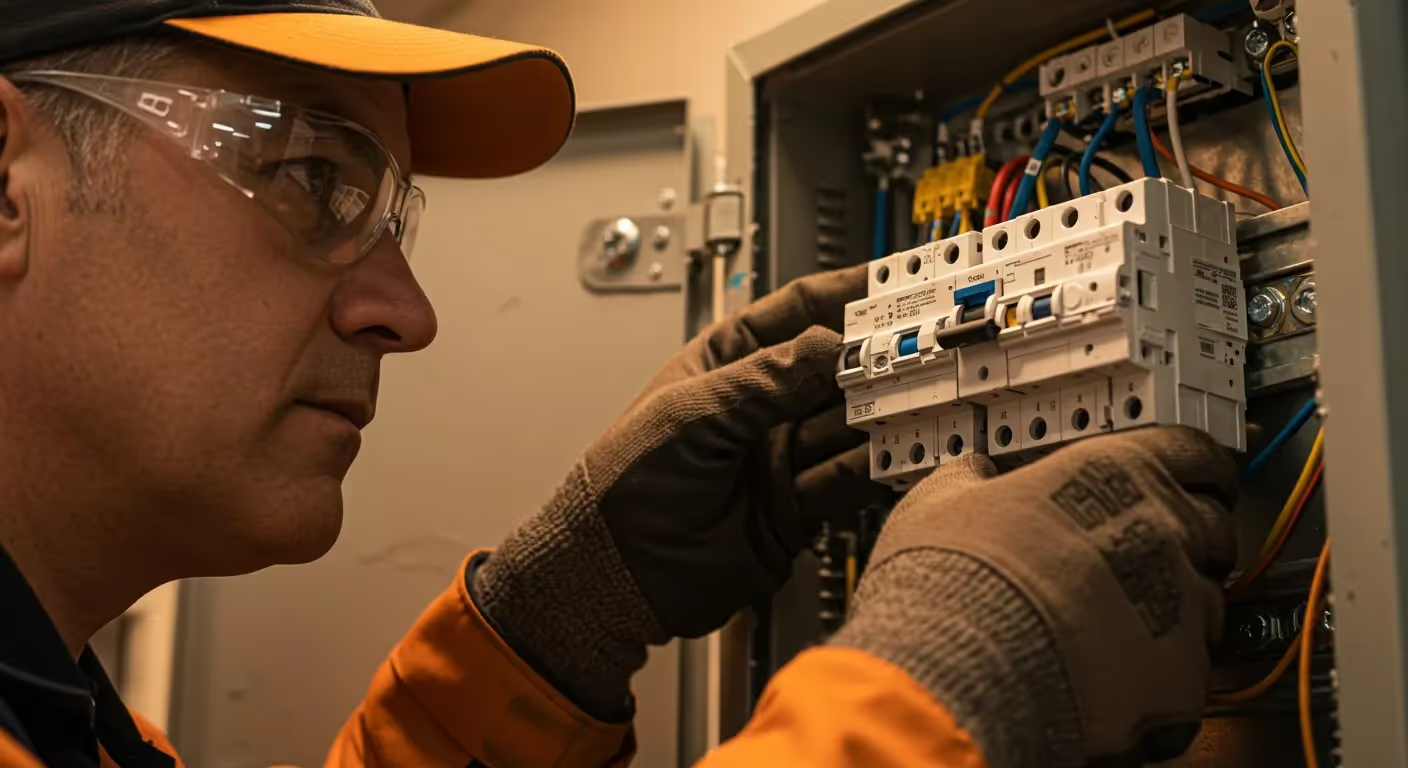
A panel upgrade is a technical procedure that requires coordination, precision, and adherence to strict safety protocols. Understanding the workflow helps homeowners prepare for the brief power interruption required to complete the job safely.
- The process begins with a load calculation and site assessment. Technicians evaluate your current usage and projected future needs to determine the correct amperage and panel size. This stage also involves inspecting the existing meter base and grounding system to see if they require simultaneous replacement.
- Next, the necessary permits are pulled from local building authorities. Coordination with the local utility provider is established to schedule the temporary disconnection of power to your home. This is a mandatory safety step, as working on a "live" service entrance is extremely dangerous.
- Once power is disconnected, the old panel is carefully removed. Technicians label existing wires to ensure they are reconnected to the correct circuits later. Old breakers are discarded, and the wall cavity is prepared for the new enclosure.
- The new panel housing is mounted securely. This often involves updating the connection between the utility meter and the panel. A critical part of this step is driving new grounding rods into the earth and bonding the water and gas pipes, which provides a safe path for electricity to dissipate during a surge.
- Wiring is then routed into the new panel. Technicians strip and connect the service entrance cables to the main lugs. Individual branch circuits are connected to new, high-quality breakers. The interior of the panel is organized meticulously, with wires routed neatly to allow for airflow and easy future maintenance.
- After all connections are torqued to manufacturer specifications, the circuits are labeled clearly on the panel door. This eliminates the guessing game when you need to shut off power to a specific room.
- Finally, the utility company restores power, and a rigorous testing phase begins. Voltage checks are performed on every outlet and appliance to ensure proper polarity and grounding. The final step is a mandatory inspection by a local code official to certify the installation meets all regulatory standards.
Identifying When Replacement Is Mandatory vs. Repair
Homeowners often wonder if a simple repair or adding a "tandem" breaker will suffice. However, there are specific scenarios where full replacement is the only safe and viable option. Making the correct decision depends on the age of the equipment, the physical condition of the components, and the brand of the existing panel.
- Obsolescence and Age: Electrical panels have a lifespan of roughly 25 to 40 years. If your home in Larose was built before 1990 and still has the original panel, internal components like the bus bar may be corroded or loose, creating resistance that leads to heat buildup. If you still have a fuse box rather than a circuit breaker panel, immediate replacement is necessary as fuses cannot handle modern electrical loads safely.
- Dangerous Panel Brands: Certain brands of panels installed between the 1950s and 1980s have lost their UL listing due to high failure rates. Brands such as Federal Pacific Electric (FPE) and Zinsco are notorious for breakers that fail to trip during an overload. In these units, the breaker may fuse to the bus bar, allowing electricity to continue flowing even when the wires are melting. If your home contains one of these brands, repair is not an option; they must be removed for safety — check current promotions today.
- Physical Deterioration: Signs of physical damage are clear indicators for replacement. This includes rust on the bottom of the panel, water marks inside the door, or a burning smell near the breaker box. Rust indicates moisture intrusion, which compromises the connection points and can lead to arcing. A buzzing sound coming from the panel suggests a breaker is not making solid contact with the bus bar, creating a fire risk that simple repairs cannot fix permanently.
- Renovation and Expansion: If you are planning a kitchen remodel, adding a hot tub, or installing a new central air conditioning system, your current panel may physically lack the space for new breakers. attempting to "double up" wires on a single breaker or using tandem breakers in a panel not rated for them violates code and creates hotspots. Upgrading the panel provides the physical slots and amperage capacity required for home improvements.
Regional Considerations for Electrical Systems
Operating an electrical system in South Louisiana presents unique challenges that do not exist in drier, cooler climates. The equipment installed must be rated to withstand these specific local stressors.
- Humidity and Corrosion: The high humidity levels common in the region accelerate oxidation on copper and aluminum contacts. This is particularly true for outdoor meter cans and main service disconnects. Over time, this oxidation increases resistance, leading to voltage drops and heat. Upgrades in this area often utilize NEMA 3R rated enclosures for outdoor components and anti-oxidant compounds on wire connections to ensure longevity despite the moisture.
- Summer Demand Spikes: During the peak of summer, air conditioning units run almost continuously. This creates a massive, sustained draw on your electrical panel. An undersized panel may trip the main breaker on the hottest days because it cannot handle the thermal load of the HVAC system combined with other appliances. Upgrading ensures your system runs cool and efficiently, even when the heat index climbs.
- Hurricane Season Preparedness: Reliability during storm season is a primary driver for panel upgrades. Many homeowners opt to install a generator interlock kit or a transfer switch during their panel upgrade. This allows for the safe connection of a portable generator directly to the panel, powering essential circuits like lights, refrigerators, and window AC units without running extension cords through windows. Additionally, whole-home surge protection is frequently added to the panel to protect appliances from voltage spikes caused by lightning or grid fluctuations during storms.
- Local Permitting and Codes: Electrical work is strictly regulated to ensure public safety. In this region, adherence to the National Electrical Code (NEC) as adopted by local jurisdictions is mandatory. This includes specific requirements for disconnects, grounding electrode systems, and arc-fault protection in bedrooms and living areas. Professional execution ensures that all work passes inspection and that your home insurance policy remains valid.
Professional Standards and Technical Precision
Selecting the right service provider for a panel upgrade is a decision that impacts the long-term safety of your property. The difference between a functional install and a high-quality upgrade lies in the details—how the wires are routed, the quality of the materials used, and the thoroughness of the grounding system.
Martin's Heating & Air Conditioning prioritizes technical excellence and adherence to safety standards. Technicians focus on calculating the precise load requirements to prevent future tripping issues. High-quality copper wiring and top-tier breaker panels are used to ensure durability. The focus remains on transparency regarding what the job entails, from the initial permit application to the final labeling of the circuits.
Furthermore, a professional approach ensures that the workspace is left clean and that the disruption to the household is kept to an absolute minimum. Safety checks are not glossed over; verifying the integrity of the grounding system is treated with as much importance as the panel installation itself, protecting your electronics and family from stray voltage.
Securing Your Home’s Energy Future
An outdated electrical panel is a bottleneck that restricts your home’s functionality and compromises safety. Ignoring the signs of an overloaded system—such as tripping breakers, dimming lights, or scorched outlets—can lead to costly damage or electrical fires. Investing in a panel upgrade provides the bandwidth necessary for modern appliances, improves energy efficiency, and ensures your home is code-compliant and insurable.
By addressing these issues proactively, you protect your investment and ensure your electrical system can handle the demands of today and tomorrow. Martin's Heating & Air Conditioning is ready to help you transition to a safer, more reliable power system.
Upgrade your electrical panel today to ensure safety and reliability for your home.
Talk to a Local HVAC Expert
.avif)