Electric Panel Upgrade & Replacement in Lockport, LA
Electrical panel upgrades in Lockport to boost safety and capacity. Contact Martin's Heating & Air for an evaluation, clear pricing, and installation today.
Resolve Your Home’s Electrical Limits: Upgrade Today!
Experiencing frequent electrical snags or planning major home upgrades in Lockport involves more than just plugging in new appliances; it often requires addressing the heart of your electrical system. If your lights flicker when the AC kicks on, or if you are relying on power strips because of limited outlets, an electrical panel upgrade provides the necessary capacity and safety for modern living. Contact us today to schedule an evaluation or apply for financing to secure your home’s electrical future.
Martin's Heating & Air Conditioning specializes in bringing outdated electrical systems up to code, ensuring your property can handle high-demand appliances safely. Residents in Lockport, LA, face specific climate challenges that make a robust electrical system vital. Whether you are dealing with a fuse box from decades ago or a breaker panel that has maxed out its slots, professional replacement ensures your home remains safe and compliant.
- Enhance your home's safety and functionality with a certified panel upgrade that eliminates fire hazards and supports modern load requirements.
- Receive a detailed, transparent cost estimate upfront—no hidden fees or surprise charges during the project.
- Benefit from quick installation by licensed professionals, ensuring minimal downtime so you can return to your routine immediately.
All installations meet local building codes, with warranty and financing options available to make the project accessible.
Why Upgrading Your Electrical Panel Is Essential
The electrical panel is the distribution hub for all energy entering your home. In many older properties, the existing panel was designed for a time when homes had far fewer electrical demands. Today, the average household runs central air conditioning, high-definition televisions, computers, electric vehicle chargers, and modern kitchen appliances simultaneously. When a panel cannot handle this draw, it does not just trip a breaker; it heats up, damages wiring, and creates significant fire risks.
Beyond convenience, safety is the primary driver for replacement. Equipment deteriorates over time. Connections loosen, buss bars corrode—especially in humid environments like Lockport—and insulation wears down. If your home still utilizes a fuse box, or if you have specific panel brands known for failure (such as Federal Pacific or Zinsco), the equipment may not trip during a surge, leading to melted wires or electrical fires. Upgrading is not merely a renovation; it is a critical maintenance step to protect the structure of the house.
Insurance companies are also increasingly strict regarding electrical standards. Many insurers will refuse to cover homes with outdated fuse boxes or known defective panel types. Replacing the unit satisfies these requirements, potentially lowering premiums and ensuring your coverage remains valid. This service ensures that the electrical backbone of the property matches the value and energy consumption of the devices inside it.
What’s Included in Your Electrical Panel Upgrade?
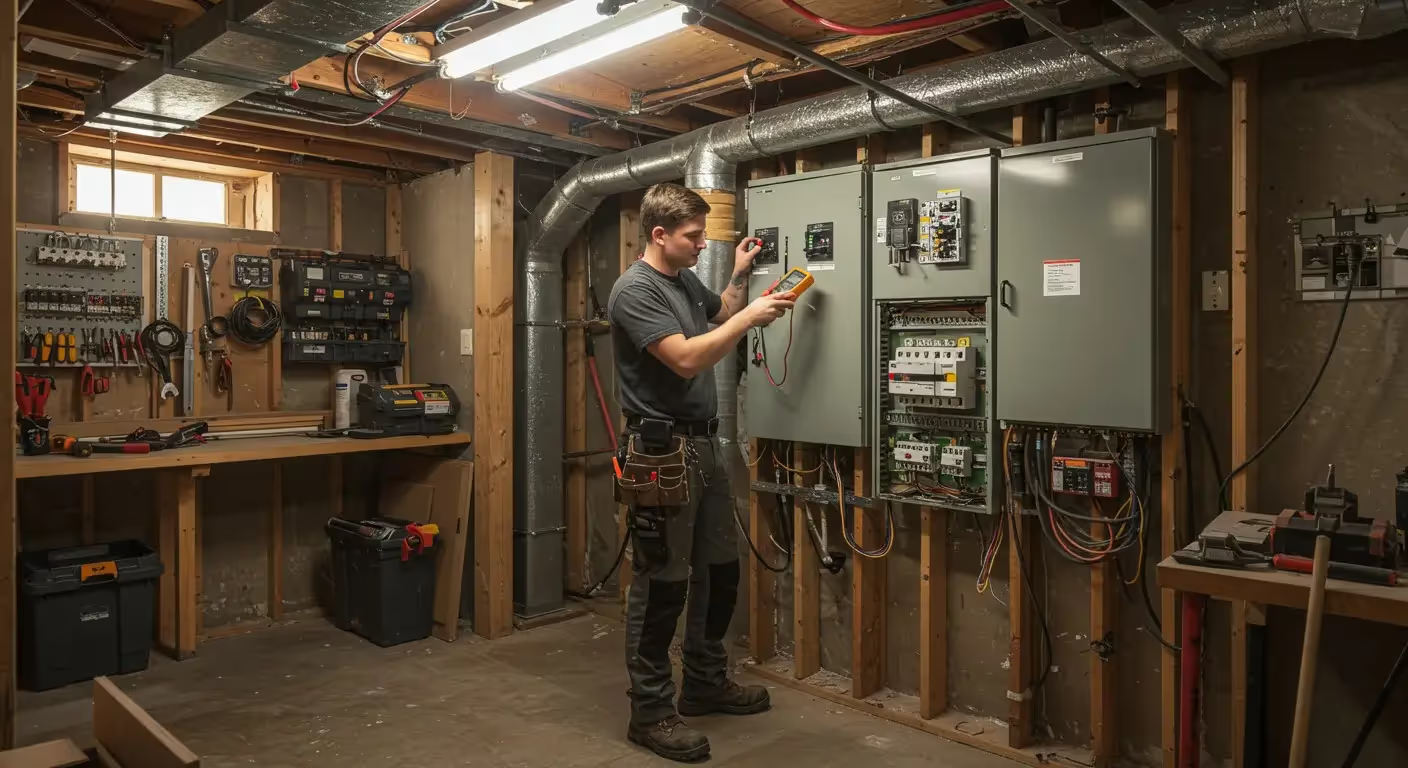
When you commission a panel upgrade, the service encompasses much more than swapping out a grey metal box. It is a comprehensive overhaul of your electrical service entrance and distribution system. The goal is to provide a clean, organized, and code-compliant system capable of handling 200 amps or more, depending on your calculated load.
- Service Panel and Breakers: The core of the upgrade involves installing a new enclosure and high-quality circuit breakers. This includes standard breakers for general loads, as well as Arc Fault Circuit Interrupters (AFCI) for living areas and Ground Fault Circuit Interrupters (GFCI) for wet areas, which are now mandatory by code to prevent shocks and fires.
- Service Entrance Cable: The heavy-duty wire running from the utility connection point on your roof or underground to your meter and panel often needs replacement. UV rays and weather damage the insulation on these cables over time, leading to water intrusion.
- Grounding and Bonding System: A critical safety feature often missing or inadequate in older homes is proper grounding. The upgrade includes driving new copper ground rods into the earth and bonding gas and water pipes to the electrical system to divert stray voltage safely away from people and equipment.
- Meter Socket Replacement: Often, the box housing the utility meter is undersized or damaged. Replacing the panel usually requires upgrading the meter socket to match the new amperage capacity.
- Labeling and Circuit Identification: A new panel is useless if you do not know which breaker controls which room. The service includes tracing circuits and applying clear, durable labels for every switch, eliminating the guessing game during future maintenance.
Understanding the Upgrade Process: Step-by-Step
A panel upgrade is a technical procedure that requires precise coordination between the electrical contractor, the local building department, and the utility company. Understanding the sequence of events helps homeowners prepare for the brief period of power interruption required to complete the work safely.
- Load Calculation and Permitting: Before any wire is cut, a technician performs a load calculation to determine the necessary amperage (usually 200 amps for modern homes). Once the scope is defined, the contractor pulls the necessary electrical permits from the local authority to ensure all work is documented and legal.
- Utility Coordination: The power must be physically disconnected at the source before the main panel can be removed. Martin's Heating & Air Conditioning coordinates with the local utility provider to schedule a disconnect time, minimizing the duration your home is without power.
- Removal and Installation: Once power is cut, the old equipment is stripped away. Technicians inspect the incoming wires for damage. The new panel housing, meter socket, and service entrance cables are mounted and secured.
- Circuit Reconnection: Existing circuits are routed into the new box. In many cases, wires may be too short to reach the new breakers, requiring the installation of a junction box or careful extension of the wiring within code limitations.
- Grounding System Update: While the interior work is happening, the exterior grounding system is upgraded. Two ground rods are typically driven into the soil at a specific distance apart to ensure a low-resistance path to the ground.
- Inspection and Power Restoration: Once installation is complete, a municipal inspector reviews the work to ensure it meets the National Electrical Code (NEC). Upon passing inspection, the utility company is notified to reconnect the power lines to your home, and the system is energized and tested.
Deciding Between Repair and Upgrade: A Quick Guide
Homeowners often ask if they can simply repair a malfunctioning panel rather than investing in a full replacement. While repairs are possible for minor issues, there are clear indicators when a repair is a temporary patch on a failing system and when full replacement is the only viable option.
When to Repair:
- Single Breaker Failure: If one specific breaker trips constantly or feels mushy but the rest of the panel is in good condition and relatively new (under 15 years old), replacing that single breaker is usually sufficient.
- Loose Connections: Occasionally, lights flicker due to a loose wire at the neutral bar or a specific terminal. If the panel interior is clean and free of rust, tightening these connections solves the problem.
When to Upgrade:
- Panel Age and Capacity: If the panel is over 25 years old or rated for less than 100 amps, it is obsolete. Modern homes require a minimum of 200 amps to function efficiently.
- Physical Deterioration: Rust on the bottom of the panel, water marks, or corrosion on the bus bars indicate water intrusion. Water and electricity are a deadly combination; a corroded panel cannot be repaired—it must be replaced.
- Warmth and Smells: If the panel feels hot to the touch or emits a fishy, burning plastic smell, internal arcing is occurring. This is an immediate fire hazard requiring total replacement.
- Lack of Main Breaker: Some older split-bus panels do not have a single main shutoff switch. This design is no longer code-compliant and poses a safety risk during emergencies.
- Renovations: Adding a hot tub, remodeling a kitchen, or building an addition usually triggers the need for a panel upgrade to support the additional electrical load.
Local Compliance and Seasonal Considerations
Operating in Lockport requires attention to environmental factors that do not affect other regions. The subtropical climate, characterized by high humidity and salt air, accelerates corrosion in electrical components. Standard indoor panels used in drier climates may fail prematurely here if not properly sealed or if placed in unconditioned spaces like garages.
- Humidity and Corrosion Protection: Upgrades in this region often utilize equipment with higher corrosion resistance ratings. Technicians pay special attention to sealing the service entrance cable where it enters the house to prevent moisture from wicking down into the panel, a common cause of failure in Louisiana.
- Flood Elevation and Placement: With Lockport’s vulnerability to flooding, panel placement is strategic. Local codes and best practices dictate mounting panels at heights that mitigate water damage risks. If your current panel is in a basement or low-lying area, the upgrade process will involve relocating it to a higher, safer elevation.
- Hurricane Preparedness: Many homeowners in the area opt to install generator interlock kits or transfer switches during a panel upgrade. This integration allows for the safe connection of a portable generator during post-hurricane power outages, preventing dangerous back-feeding of electricity into the grid.
- Permitting in Lafourche Parish: Electrical work involves strict adherence to local amendments of the NEC. Professional electricians manage the permitting process with Lafourche Parish authorities, ensuring that the work passes inspection and that your home’s resale value is protected by documented, legal improvements.
Licensed Experts Committed to Quality and Safety
Electrical work leaves zero margin for error. A loose connection can lead to arcing, and an undersized wire can lead to overheating. Selecting a service provider means choosing a team that understands the gravity of these risks and adheres to strict safety protocols.
- Code Mastery: Technicians remain updated on the latest National Electrical Code (NEC) changes, ensuring every AFCI, GFCI, and tamper-resistant receptacle is installed where required.
- Precision and Cleanliness: A panel upgrade involves cutting drywall and manipulating heavy cables. Professionals respect your property, using drop cloths, ensuring clean cable management inside the panel (which aids future troubleshooting), and leaving the work area debris-free.
- Comprehensive Testing: The job is not finished when the power comes back on. A rigorous testing phase checks voltage levels, ground continuity, and the proper function of every circuit to ensure the system is stable and balanced.
Request a Free Electrical Panel Upgrade Estimate from Local Experts
Upgrading your electrical panel is an investment in the safety, efficiency, and value of your property. It eliminates the worry of overloaded circuits and provides the power necessary for modern life. Martin's Heating & Air Conditioning is ready to help you transition from an outdated system to a robust, code-compliant electrical service.
Secure your home’s power and safety today — request your free estimate now.
Talk to a Local HVAC Expert
.avif)