Restore Heat and Safety to Your Home Immediately
When your heater fails during a Thibodaux winter, every minute counts, and waiting for business hours is rarely an option. Contact Martin's Heating & Air Conditioning for rapid, reliable repair services or to discuss financing options immediately.
A malfunctioning heating system goes beyond simple discomfort; it interrupts your daily routine and can pose safety risks to your family. You need a team that arrives prepared to diagnose the issue accurately and implements a lasting fix on the first visit.
- Same-day service availability to restore your comfort quickly.
- Competitive pricing with upfront quotes to avoid surprises.
- 24/7 emergency repairs to ensure we are there when you need us.
Fully licensed and insured—for peace of mind with every service call.
What to Expect From Our Heating Repair Services
When a heating system breaks down, homeowners often fear a drawn-out process involving ordered parts, multiple visits, and vague timelines. The goal of professional service is to eliminate that uncertainty. You require a systematic approach that prioritizes diagnostic accuracy. A proper repair begins with a comprehensive analysis of the entire heating envelope, not just the component that appears to be broken.
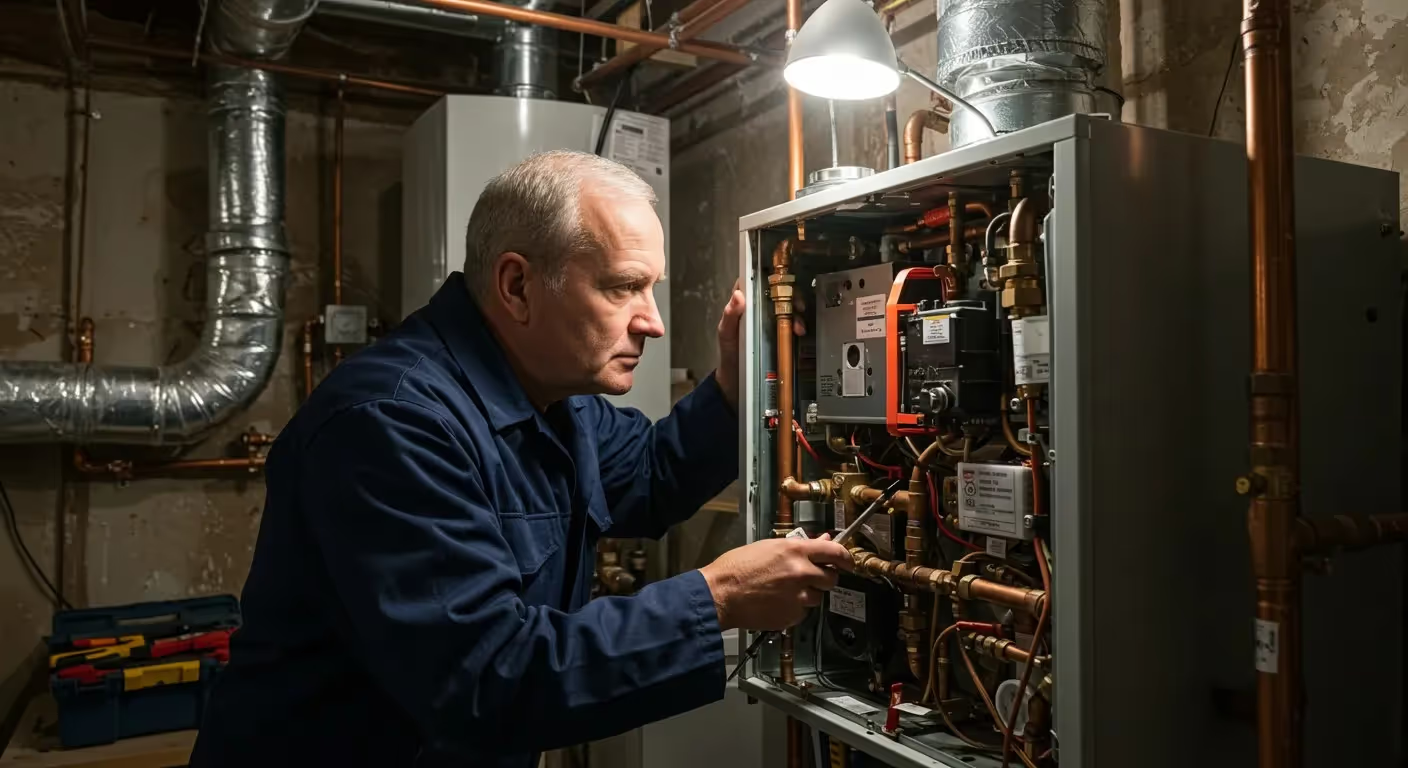
In the humid climate of Southern Louisiana, heating systems face unique stressors. Unlike arid regions, the moisture in the air here can accelerate corrosion on electrical contacts and heat exchangers. Our diagnostic process is designed to identify these region-specific issues. When a technician arrives at your home in Thibodaux, they come equipped with a mobile warehouse of common parts. This preparation allows for the immediate replacement of failing components such as ignition modules, flame sensors, and blower capacitors without the need for follow-up appointments in most cases.
The scope of repair covers every aspect of your HVAC system’s heating cycle. This includes checking the thermostat calibration to ensure it is communicating correctly with the furnace or heat pump. It involves inspecting the ductwork for leaks that might be siphoning off warm air before it reaches your living spaces. It also includes a safety check of the heat exchanger to ensure there are no cracks leaking carbon monoxide into the home. From the intake of air to the distribution of heat, every mechanism is tested for efficiency and safety.
Common Heating Issues We Resolve
Heating systems often give warning signs before catastrophic failure. Recognizing these signs helps technicians isolate the problem quickly.
- Pilot Light and Ignition Failures: Gas furnaces rely on a precise sequence of events to ignite. If the pilot light is out, or the electronic igniter is cracked, the system will blow cold air or shut down entirely for safety.
- Short Cycling: If your heater turns on and off frequently without reaching the set temperature, it indicates an issue with the thermostat, a dirty air filter, or an oversized unit that is overheating.
- Unusual Noises: Screeching, banging, or rattling sounds are never normal. These usually point to loose mechanical parts, a failing blower motor belt, or thermal expansion issues in the ductwork.
- Insufficient Airflow: A heater that runs but moves very little air often suffers from a failing blower motor or significant blockages in the filtration system.
- Uneven Heating: If one room is boiling while another is freezing, the issue likely lies within the ductwork dampers or the system’s balancing, rather than the heating unit itself.
Our Step-by-Step Approach to Fix Your Heating Fast
Effective heating repair is a structured process. It prevents the "band-aid" fixes that fail a few weeks later. By adhering to a strict protocol, technicians ensure that the root cause of the breakdown is addressed, rather than just the symptoms. This methodological approach ensures that once the heat comes back on, it stays on.
- Initial Assessment and Safety Check: Upon arrival, the first priority is safety. For gas systems, this means checking for gas leaks and carbon monoxide presence. For electric systems and heat pumps, it involves checking for electrical shorts that could pose a fire hazard.
- Diagnostic Troubleshooting: Technicians use advanced multimeters and pressure gauges to test the system’s vital signs. This includes measuring gas pressure, voltage drops across components, and airflow static pressure. This data pinpoints exactly where the failure occurred.
- Transparent Explanation and Quote: Once the issue is identified, you receive a clear explanation of what is wrong, why it happened, and what is required to fix it. You are presented with a firm quote for the repair work before any tools are applied to the fix.
- Execution of Repair: The technician proceeds with the approved repair. This involves removing faulty components, cleaning the surrounding area to prevent future debris buildup, and installing the new manufacturer-approved parts.
- System Testing and Calibration: Installing the part is not the final step. The system must be run through a full heating cycle. The technician monitors the startup sequence, the temperature rise (the difference in temperature between air entering and leaving the unit), and the shutdown sequence to ensure everything operates within factory specifications.
- Final Cleanup and Walkthrough: The workspace is left as clean as it was found. The technician then walks you through what was done and offers advice on how to prevent similar issues in the future, such as filter change schedules.
Deciding Between Heating Repair or Replacement
One of the most difficult decisions a homeowner faces is whether to invest in another repair or to replace the system entirely. This decision shouldn't be based on a guess; it should be a calculation based on data, age, and efficiency. There comes a tipping point where throwing money at an old unit is no longer fiscally responsible.
At Martin's Heating & Air Conditioning, we help homeowners navigate this decision by looking at the "50% Rule." Generally, if the cost of the repair approaches 50% of the value of a new system, replacement is the smarter financial move. However, other factors weigh heavily in this decision.
Age of the Unit
Most furnaces and heat pumps have a service life of 12 to 15 years. If your unit is over 12 years old and requires a major component replacement—like a heat exchanger or a compressor—repair is rarely the best option. New technology is not only more reliable but significantly more energy-efficient, meaning a new unit begins paying for itself immediately through lower utility bills.
Frequency of Breakdowns
If you have needed repairs more than once in the last two years, your system is signaling that it is at the end of its life. Frequent breakdowns indicate that the internal components are wearing out collectively. Fixing one part today often leads to another part failing next month. This "nickel and dime" effect can quickly exceed the monthly cost of financing a new, warrantied system.
Safety Concerns
Safety is the ultimate tie-breaker. If a technician discovers a cracked heat exchanger in a gas furnace, repair is often not permissible due to the risk of carbon monoxide poisoning. In such cases, replacement is the only safe option. Similarly, older units with frayed wiring or compromised safety switches present fire hazards that repair work may not fully mitigate.
Energy Efficiency and Comfort
Older systems lose efficiency over time. You may notice your energy bills creeping up year over year, even if usage remains the same. If your home has cold spots, or if the air feels excessively dry or humid, the current system may no longer be capable of handling the load of your home. Modern systems offer variable-speed blowers and multi-stage heating that provide consistent, even comfort that older single-stage units cannot match.
Understanding Local Heating Needs and Compliance
Operating a heating system in Thibodaux requires an understanding of the specific environmental challenges of the region. While winters here are mild compared to the north, they are characterized by damp, penetrating cold. High humidity levels mean that 40 degrees can feel significantly colder, requiring your heating system to work harder to achieve a comfortable "feels like" temperature.
Humidity and Heating
In this region, heat pumps are incredibly common because they handle both heating and cooling. However, the high moisture content in the air can cause frost to build up on the outdoor unit during a cold snap. Your system’s defrost board must be functioning perfectly to melt this ice and keep the system running. If the defrost cycle fails, the unit freezes over, and emergency heat (auxiliary strips) kicks in, causing your electric bill to skyrocket. Regular maintenance is crucial to ensure the reversing valve and defrost controls are managing local humidity levels correctly.
Permitting and Code Compliance
Heating repair and installation are governed by strict local and state codes designed to protect homeowners. This is particularly important regarding gas piping and electrical connections.
- Electrical Safety: Modern codes require specific dedicated circuits for HVAC equipment. Older homes may need electrical upgrades to safely support new repair parts or systems.
- Gas Ventilation: For gas furnaces, proper venting of exhaust gases is critical. Local codes dictate the type of flue pipes used and their clearance from combustible materials. Improper venting is a leading cause of carbon monoxide accumulation.
- Refrigerant Handling: If your heat pump requires refrigerant repair, federal regulations mandate that the technician be EPA-certified to handle, recover, and dispose of refrigerants. This protects the environment and ensures your system is charged to the exact manufacturer specifications.
Ignoring these regulations can lead to fines, voided home insurance claims in the event of an accident, and complications when trying to sell your home. Professional service ensures that all repairs are documented and compliant with current building standards.
Why Choose Professional Repair Services?
When the heat goes out, the temptation to find the cheapest, quickest fix is strong. However, the HVAC industry is technical and precise. The difference between a restored system and a recurring headache lies in the expertise of the provider. You need a partner who views your home’s comfort as a long-term commitment, not a one-time transaction.
Technical Expertise Over Guesswork
Modern heating systems are complex machines integrating advanced electronics with mechanical combustion or compression cycles. A professional technician understands the interplay between airflow, thermodynamics, and electrical control. They do not guess which part is broken; they prove it through testing. This eliminates the cost of replacing perfectly good parts in an attempt to solve a problem.
Integrity in Diagnostics
A reputable service provider will never manufacture a problem that doesn't exist. If a system can be repaired safely and cost-effectively, that is the path recommended. If a capacitor is the only thing wrong, you won't be sold a new motor. This transparency builds trust and ensures that you are in control of your home maintenance budget.
Long-Term Reliability
The goal of a repair is longevity. By using OEM (Original Equipment Manufacturer) parts or high-quality equivalents, professional repairs restore the system to its original factory performance levels. This protects the manufacturer's warranty and ensures the system operates efficiently for the remainder of the season.
Respect for Your Home
Service is about more than just wrenches and wires. It is about respecting your property. This means wearing shoe covers to protect your floors, using drop cloths to catch debris, and communicating clearly throughout the process. It means showing up when scheduled and finishing the job efficiently so you can return to your life.
Call Us Now!
Your home is your sanctuary, and it should be warm and safe. Don't let a heating breakdown compromise your comfort or safety for another hour. Trust in a service that prioritizes technical excellence and customer transparency.
Contact Martin's Heating & Air Conditioning today to schedule your heating repair and get your home back to the comfort level you deserve.
Talk to a Local HVAC Expert
.avif)