House Rewiring in Mathews, LA
House rewiring in Mathews, LA to improve safety, reliability, and code compliance. Contact Martin's Heating & Air for expert service and fast scheduling.
Outdated Wiring Creates Fire Risks and Power Instability
If flickering lights, tripped breakers, and outdated circuits are your everyday challenges, it is time for a professional rewiring. Living with an obsolete electrical system prevents your home from supporting modern appliances and poses significant safety hazards to your property and family. For immediate assistance with house rewiring in Mathews, LA, contact us or inquire about our financing options to start your project.
Homeowners in Mathews frequently face the limitations of electrical systems designed decades ago, which simply cannot handle the load of modern HVAC systems, computers, and appliances. Martin's Heating & Air Conditioning provides comprehensive electrical solutions to update your infrastructure, ensuring compliance with current safety standards.
- Complete rewiring services adhering to the National Electrical Code (NEC).
- Increase your home’s safety and electrical load capacity within days.
- Expert solutions from licensed professionals with upfront pricing.
All work is fully licensed, insured, and backed by a comprehensive warranty to give you peace of mind.
Modernizing Your Electrical Infrastructure
Securing a house rewiring service is an investment in the longevity and functionality of your property. When you schedule a rewiring project, you are not just replacing wires; you are upgrading the central nervous system of your home. A full rewire involves replacing old, degraded wire insulation with modern, non-metallic sheathed cable (often called Romex) that includes a dedicated ground wire. This process ensures that every outlet and switch in your home is grounded, drastically reducing the risk of shock and electrical fires.
Current electrical standards require specific safety devices that older homes often lack. Your project will include the installation of Ground Fault Circuit Interrupters (GFCIs) in wet areas like kitchens and bathrooms, and Arc Fault Circuit Interrupters (AFCIs) in bedrooms and living areas to detect dangerous arcing that causes fires. Furthermore, the scope of work includes upgrading your main service panel. Many older homes operate on 60 or 100 amps, which is insufficient for today’s energy demands. A standard rewire often includes an upgrade to a 200-amp panel, allowing for the simultaneous operation of high-efficiency air conditioners, electric vehicle chargers, and modern kitchen appliances without tripping breakers.
Timeline expectations are crucial for homeowners planning this service. While the duration depends on the size of the home and accessibility, a professional team works efficiently to minimize disruption. The process is systematic, ensuring that power is restored to critical areas at the end of each day whenever possible. You receive a completely mapped electrical system, labeling every circuit clearly so you never have to guess which breaker controls which room.
The Rewiring Process: From Inspection to Final Connection
Understanding the workflow of a whole-home rewire helps homeowners prepare for the project. Professional electricians follow a rigid protocol to ensure safety and structural integrity throughout the installation.
- Initial Assessment and Load Calculation: The process begins with a thorough audit of the existing wiring. Technicians identify the type of wiring present, such as knob-and-tube or aluminum, and calculate the electrical load required for your current and future needs. This stage determines the size of the panel and the number of circuits required.
- Permitting and Code Compliance: Before a single wire is cut, the necessary permits are pulled from local building authorities. This step ensures that all work will pass municipal inspections and adhere to the National Electrical Code (NEC).
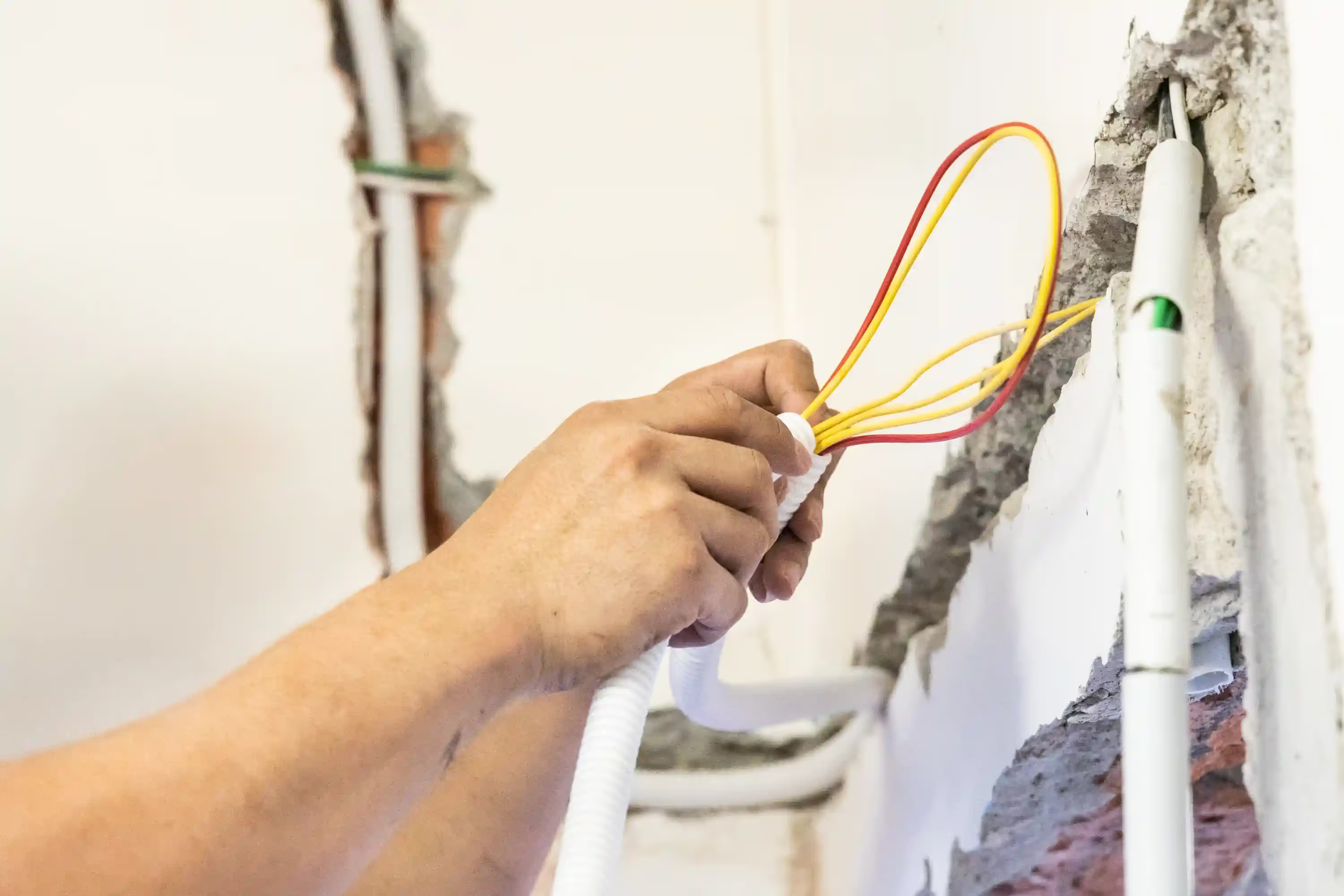
- Site Preparation and Access: Technicians prepare the workspace to protect furniture and flooring. To run new wires, small strategic cuts in drywall or plaster may be necessary, although professionals utilize "fishing" techniques to route wires behind walls with minimal damage whenever possible.
- Removal and Rough-In: The old, dangerous wiring is disconnected and, where accessible, removed. New wiring is run from the main panel location to every device box in the house. This phase includes installing new device boxes for outlets, switches, and fixtures if the old ones are shallow or damaged.
- Panel Upgrade and Termination: The new wires are connected to the upgraded circuit breaker panel. Technicians ensure proper grounding and bonding, which is essential for diverting stray voltage away from the home’s structure and occupants.
- Trim-Out and Device Installation: Once the wiring is in place and the walls are patched (if applicable), technicians install the actual receptacles, switches, and light fixtures. This is when the visual transformation happens, replacing yellowed, old outlets with fresh, modern hardware.
- Testing and Inspection: The final step involves rigorous testing of every circuit. Technicians check for polarity, grounding, and proper voltage. A final inspection is then coordinated with the local building inspector to close out the permit and certify the work.
Deciding Between Repair and Full Replacement
Determining whether to repair a specific circuit or rewire the entire house is a critical financial and safety decision. While minor issues like a loose outlet can be repaired, systemic problems indicate the need for a full replacement. Continuing to patch a failing system often costs more in the long run and leaves substantial risks unaddressed.
- Presence of Knob-and-Tube Wiring: If your home was built before the 1950s and still utilizes knob-and-tube wiring, replacement is not optional; it is a necessity. This wiring lacks a ground wire and utilizes insulation that becomes brittle and cracks over time, exposing live wires inside your walls.
- Aluminum Wiring Issues: Homes built in the late 1960s and early 1970s may have aluminum wiring. Aluminum expands and contracts with heat more than copper, leading to loose connections and a high risk of fire at receptacles and switches. While pig-tailing repairs exist, full copper rewiring is the only permanent solution.
- Cloth-Sheathed Wiring: Older wiring with cloth insulation degrades and frays, particularly in hot attics or damp crawlspaces. If the insulation crumbles when touched, the wiring has reached the end of its lifespan.
- Frequent Breaker Trips and Blown Fuses: If running the microwave and the toaster simultaneously trips a breaker, your system is overloaded. This is not a defect in the appliance but a sign that the home’s circuits cannot support the amperage draw of modern life.
- Lack of Grounding: Two-prong outlets are a clear sign of an ungrounded system. Using adapters to force three-prong plugs into these outlets defeats the safety mechanism of your appliances and risks damaging sensitive electronics.
- Renovation Plans: If you are planning a kitchen or bathroom remodel, code requirements usually mandate updating the electrical in those areas. It is often more cost-effective to address the rest of the house simultaneously while walls are already open — check our current specials.
Local Electrical Considerations in Mathews, LA
Electrical work in Mathews requires specific attention to the regional environment. The humid subtropical climate and proximity to the coast introduce moisture and corrosion challenges that differ from drier regions. Wiring and panels must be rated to withstand high humidity levels to prevent premature corrosion of contacts and bus bars.
- Humidity and Corrosion Protection: High humidity accelerates the oxidation of electrical connections. Professional installation in this region includes using anti-oxidant compounds on service entrance connections and ensuring that outdoor panels are NEMA-rated for severe weather resistance.
- Storm and Hurricane Resilience: Mathews is susceptible to tropical storms and hurricanes. A rewire is the ideal time to install a whole-home surge protector at the main panel. This device shields your appliances and wiring from voltage spikes caused by lightning strikes or grid fluctuations during storm restoration efforts.
- Generator Integration: given the potential for power outages during storm season, many local homeowners opt to install transfer switches or interlock kits during a rewire. This prepares the home for seamless portable or standby generator connection, ensuring you are not left without power during hurricane aftermaths.
- Utility Coordination: Upgrading your electrical service often requires coordination with the local power utility to disconnect and reconnect the service drop. Martin's Heating & Air Conditioning handles this logistical coordination, ensuring that the switch-over happens safely and in compliance with utility regulations.
Why Professional Execution is Non-Negotiable
Attempting DIY electrical work or hiring unlicensed handymen for rewiring is a dangerous gamble that jeopardizes your home and financial standing. Electrical fires account for a significant portion of home structure fires, and insurance companies routinely deny claims if the electrical work was performed by unlicensed individuals or without proper permits.
- Code Compliance and Safety: The National Electrical Code is complex and changes every three years. Licensed electricians stay updated on these changes, such as requirements for tamper-resistant outlets and dedicated circuits for specific appliances. Following these codes is not just about passing inspection; it is about ensuring the physical safety of the home’s occupants.
- Insurance and Resale Value: When selling a home, unpermitted electrical work is a major red flag during inspection. It can kill a sale or force the seller to pay for a full rewire under duress. Conversely, a documented, professionally rewired home commands a higher market value and lowers insurance premiums.
- Diagnostic Equipment: Professionals utilize advanced diagnostic tools to trace circuits and identify load imbalances that are invisible to the naked eye. This ensures that the new system is balanced correctly across the phases of your electrical panel.
Securing your home against electrical failure requires decisive action and professional expertise. Do not wait for a smoke smell or a total power loss to address aging wiring. Protect your investment and ensure reliable power for years to come. Take the next step in securing your home’s electrical safety. Contact us today to schedule your comprehensive wiring assessment.
Upgrade Your Home’s Electrical System Today
Don’t wait for a blown fuse, burning smell, or safety hazard to signal that your wiring has reached its limit. Whether your home contains outdated aluminum circuits, ungrounded outlets, or wiring that can no longer support today’s electrical demands, Martin’s Heating & Air Conditioning provides code-compliant rewiring backed by licensed professionals, transparent pricing, and full warranties. Ensure the safety, capacity, and long-term reliability of your home’s electrical system—schedule your comprehensive wiring assessment today and take the first step toward a safer, fully modernized home.
Talk to a Local HVAC Expert

.avif)