Ev Chargers in Chauvin, LA
Electrical repair and upgrades in Chauvin for safer, reliable power. Contact Martin's Heating & Air Conditioning for fast diagnostics and pricing today.
Need Quick and Reliable EV Charger Installation?
Relying on standard wall outlets or scarce public terminals often leads to range anxiety and wasted time, preventing you from fully enjoying the benefits of your electric vehicle. Martin's Heating & Air Conditioning delivers seamless, high-performance EV charger installations in Chauvin and surrounding areas like Houma to ensure your vehicle is powered up and ready whenever you are. Contact us today to discuss your home charging needs and schedule a site assessment.
- Increase your charging speed significantly with high-kW output Level 2 stations.
- Enjoy the convenience and security of 24/7 charging availability right in your driveway or garage.
- Tap into potentially free or reduced-cost charging incentives by ensuring your setup meets local utility rebate standards.
All installations are performed by licensed electricians to ensure full compliance with local building codes and are backed by comprehensive labor warranties.
Quick and Convenient EV Charging at Home
The transition to an electric vehicle changes how you manage your daily transportation, but the experience is only as good as your charging solution. Many new EV owners initially attempt to rely on the Level 1 charger that comes with the vehicle. This equipment plugs into a standard 120-volt outlet but offers an extremely slow charge rate, often requiring 12 to 24 hours to replenish a battery fully. For daily commuters in Chauvin or those traveling to Cut Off, this trickle-charge method rarely keeps up with usage, leaving you with a deficit that limits your range.
Installing a dedicated Level 2 charging station at home fundamentally changes this dynamic. By utilizing a 240-volt circuit—similar to what powers a clothes dryer or electric range—you can reduce charging times to just a few hours. This means you can plug in upon returning from work and have a fully charged battery well before the next morning. A hardwired home solution eliminates the hunt for public stations, which may be occupied, out of service, or incompatible with your specific vehicle connector.
Home charging also offers superior control over energy costs. With a smart charger installation, you can schedule charging sessions during off-peak hours when electricity rates may be lower. This automation ensures that your vehicle draws power efficiently without overloading your home’s electrical system during peak usage times. The convenience of "fueling" your car while you sleep converts the EV ownership experience from a logistical challenge into a seamless part of your daily routine.
What an EV Charger Installation Involves
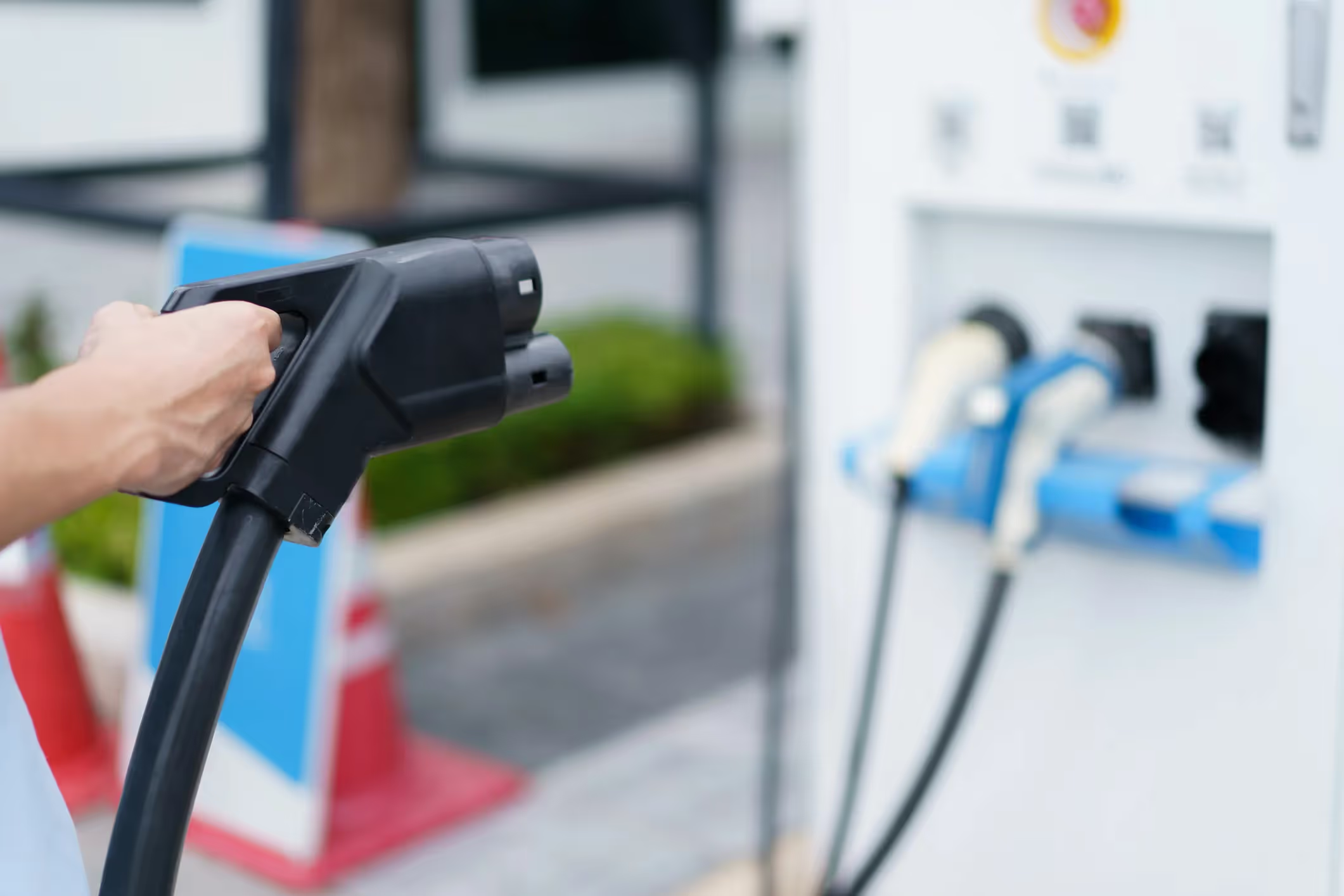
Professional installation goes far beyond simply mounting a box on the wall. It requires a comprehensive assessment of your home’s electrical infrastructure to ensure it can support the continuous high load of an electric vehicle charger. A standard Level 2 charger can draw anywhere from 32 to 50 amps (or more), which places a significant demand on your electrical panel.
When you engage professional services for this upgrade, the scope of work typically includes:
- Load Calculation: An electrician determines if your existing electrical service panel has enough spare amperage to handle the new circuit without tripping the main breaker.
- Dedicated Circuit Installation: A new 240-volt dedicated circuit is run from your main panel to the installation site. This involves sizing the wire correctly to prevent overheating and voltage drop.
- Conduit and Wiring: Protective conduit is installed to shield wiring from physical damage and environmental elements, particularly for outdoor installations or runs through garages.
- Hardware Mounting: The charging unit (EVSE) is securely mounted to a stud or masonry wall. This includes managing cable length and positioning the holster for easy access to your vehicle’s charge port.
- Hardwiring vs. Plug-in Setup: Installations can be hardwired directly into the electrical system for a cleaner look and higher power capacity, or installed as a NEMA 14-50 outlet which allows the charger to be unplugged and moved if necessary.
Modern installations also frequently involve configuring smart features. This includes connecting the charger to your home Wi-Fi network, setting up the manufacturer’s app (such as those for ChargePoint or EV Connect), and verifying that the firmware is up to date. These steps ensure that the hardware communicates correctly with your vehicle and allows for remote monitoring of charging status.
Your Step-by-Step Installation Guide
Understanding the workflow of an EV charger installation helps homeowners prepare for the upgrade. While every home in Chauvin is slightly different, the technical process follows a rigorous safety protocol to ensure long-term reliability. Martin's Heating & Air Conditioning follows a structured approach to ensure every detail is addressed.
- Site Assessment and Planning: The process begins with a physical inspection of the electrical panel and the proposed charger location. The distance between the panel and the parking spot dictates the length of the wire run and the materials needed.
- Permitting and Code Compliance: Before any work begins, the necessary electrical permits are pulled. This ensures that the installation is logged with local authorities and meets the National Electrical Code (NEC) standards required for insurance and resale value.
- Panel Upgrades (If Necessary): If the load calculation reveals that the current panel cannot support the additional amperage, a service upgrade or the installation of a sub-panel occurs first. This is common in older homes where 100-amp service is already maxed out.
- Rough-in Electrical Work: The electrician runs the conduit and pulls the heavy-gauge copper or aluminum wiring from the panel to the mounting location. This step may involve drilling through walls, navigating attics, or trenching for detached garages.
- Termination and Mounting: The wiring is connected to the new breaker in the panel and terminated at the charging station. The unit is bolted to the wall, ensuring it is level and at an ergonomic height.
- System Testing and Activation: Once powered on, the system undergoes load testing. Voltage levels are checked to ensure stability, and a test charge is performed to verify that the vehicle and charger are communicating (the "handshake").
- Final Inspection: A local inspector reviews the work to certify that safety standards have been met, closing out the permit.
Choosing an Upgrade Over a Simple Fix
Homeowners often face a dilemma: should they stick with their mobile charging cord or invest in a permanent wall connector? There are also instances where an existing 240-volt outlet (like an old welder or dryer outlet) exists in the garage, and the owner considers using it rather than installing a dedicated line, but relies on existing, aged infrastructure — view financing options for your upgrade.
Deciding to upgrade to a dedicated, hardwired station is the correct decision when:
- Charging Speed is Insufficient: If you are unable to recover your daily driving range overnight using your current method, a high-amperage dedicated station is necessary.
- Breakers Keep Tripping: If plugging in your car causes lights to flicker or breakers to trip, your current circuit is overloaded. A dedicated circuit isolates the heavy load of the EV, protecting the rest of your home’s electronics.
- Outdoor Charging is Required: Portable cords are generally not designed for permanent outdoor exposure. If you park in a driveway, you need a hardwired unit rated for outdoor use (NEMA 4 or 4X) to withstand rain, humidity, and temperature fluctuations.
- Safety Concerns with Old Outlets: Older 240-volt outlets may not have the industrial-grade durability required for the continuous draw of an EV charger. Outlets can melt or fail under the thermal stress of daily 8-hour charging sessions. A hardwired connection eliminates this weak point.
Additionally, upgrading allows for future-proofing. As battery technologies improve and vehicle ranges increase, having a robust 50-amp or 60-amp circuit ensures your home infrastructure can support the next generation of electric vehicles without requiring another visit from an electrician.
Navigating Chauvin’s EV Charger Regulations
Installing high-voltage equipment in Chauvin and the surrounding coastal areas requires specific attention to environmental and regulatory factors. The humid subtropical climate and proximity to the Gulf mean that electrical installations must be robust enough to handle moisture and potential severe weather.
- Environmental Hardening: For outdoor installations, standard indoor-rated equipment is insufficient. Chargers and conduits must be NEMA-rated to resist water ingress during heavy summer thunderstorms and high humidity. Sealants and corrosion-resistant hardware are essential to prevent premature failure of the electrical connections.
- Permitting and Inspection: Local building departments enforce the NEC requirements strictly regarding EVSE (Electric Vehicle Supply Equipment). This includes requirements for GFCI protection on outlets and specific mounting heights to ensure accessibility and safety. Attempting unpermitted work can result in fines and may void your homeowner's insurance policy in the event of an electrical fire.
- Utility Coordination: In some cases, adding a high-load appliance like an EV charger requires notification to the local utility provider. This is to ensure the transformer serving your street can handle the increased load. Furthermore, local utilities may offer rebates or time-of-use rate plans specifically for EV owners, but these often require proof of professional installation and a specific type of smart charger.
- Hurricane Preparedness: Electrical infrastructure in this region must be secure. Conduit runs on the exterior of the home need to be strapped securely to withstand high winds. Ideally, the charger should be placed in a location that offers some shelter from flying debris, or designed to be easily disconnected and stored safely if a major storm approaches.
Why Choose Us: Local Experience and Expertise
Selecting the right partner for your EV infrastructure needs ensures that your investment yields convenience rather than complications. We understand that every home’s electrical layout is unique, and we tailor our approach to maximize efficiency and aesthetics. Our team prioritizes safety above all else, ensuring that the high currents flowing into your vehicle are managed correctly to protect your property and your family.
We do not believe in one-size-fits-all solutions. Whether you need a simple installation in a modern garage or a complex electrical upgrade for an older home, we provide transparent assessments and clear timelines. We stay current with the latest charging technologies and brands, ensuring that the equipment we install is compatible with your current vehicle and adaptable for future needs.
Our technicians are familiar with the specific electrical codes enforced in Chauvin and neighboring communities. We handle the logistical burden of permits and inspections, providing you with a turnkey solution. By focusing on quality materials and precise workmanship, we eliminate the common failure points associated with amateur installations, such as overheating wires or nuisance tripping.
Ready to upgrade your home charging experience? Secure a reliable, fast, and safe energy source for your vehicle today. Contact us now to schedule your comprehensive consultation.
Talk to a Local HVAC Expert
.avif)