Is High Humidity Compromising Your Indoor Comfort?
Facing frequent breakdowns or inefficiency with your air conditioning in Montegut's humid climate? You are not alone, and leaving these issues unchecked can lead to costly emergency repairs during the peak of summer. Contact us today to schedule a comprehensive inspection or discuss financing options for necessary upgrades.
Residents in this region deal with specific environmental stressors that tax heating and cooling equipment differently than in drier climates. When humidity levels rise, your system must work harder not just to cool the air, but to remove moisture. If the equipment is neglected, this added strain leads to premature component failure and uncomfortable indoor temperatures.
- Receive a precise diagnosis and repair estimate online to understand your system’s health.
- Benefit from 24-hour HVAC service availability, ensuring you are never left without climate control.
- Enjoy high-quality service from top-rated local professionals who understand the specific challenges of the region.
Work with certified technicians offering full warranties and flexible financing options to keep your home comfortable year-round. Call Martin's Heating & Air Conditioning now.
Comprehensive Maintenance Scope: What You Get Today
Routine maintenance is not simply a visual inspection; it is a rigorous calibration of your HVAC system to ensure it operates at factory specifications. When a technician arrives at your property in Montegut, the objective is to reverse the wear and tear accumulated over the previous season. This service restores energy efficiency, reduces the likelihood of mid-season breakdowns, and extends the lifespan of the unit.
The maintenance protocol covers the entire system, from the outdoor condenser unit to the indoor evaporator coil and air handler. Technicians focus on the critical components that are most susceptible to failure under heavy load. By addressing minor deviations in voltage, pressure, and cleanliness now, you avoid major mechanical failures later.
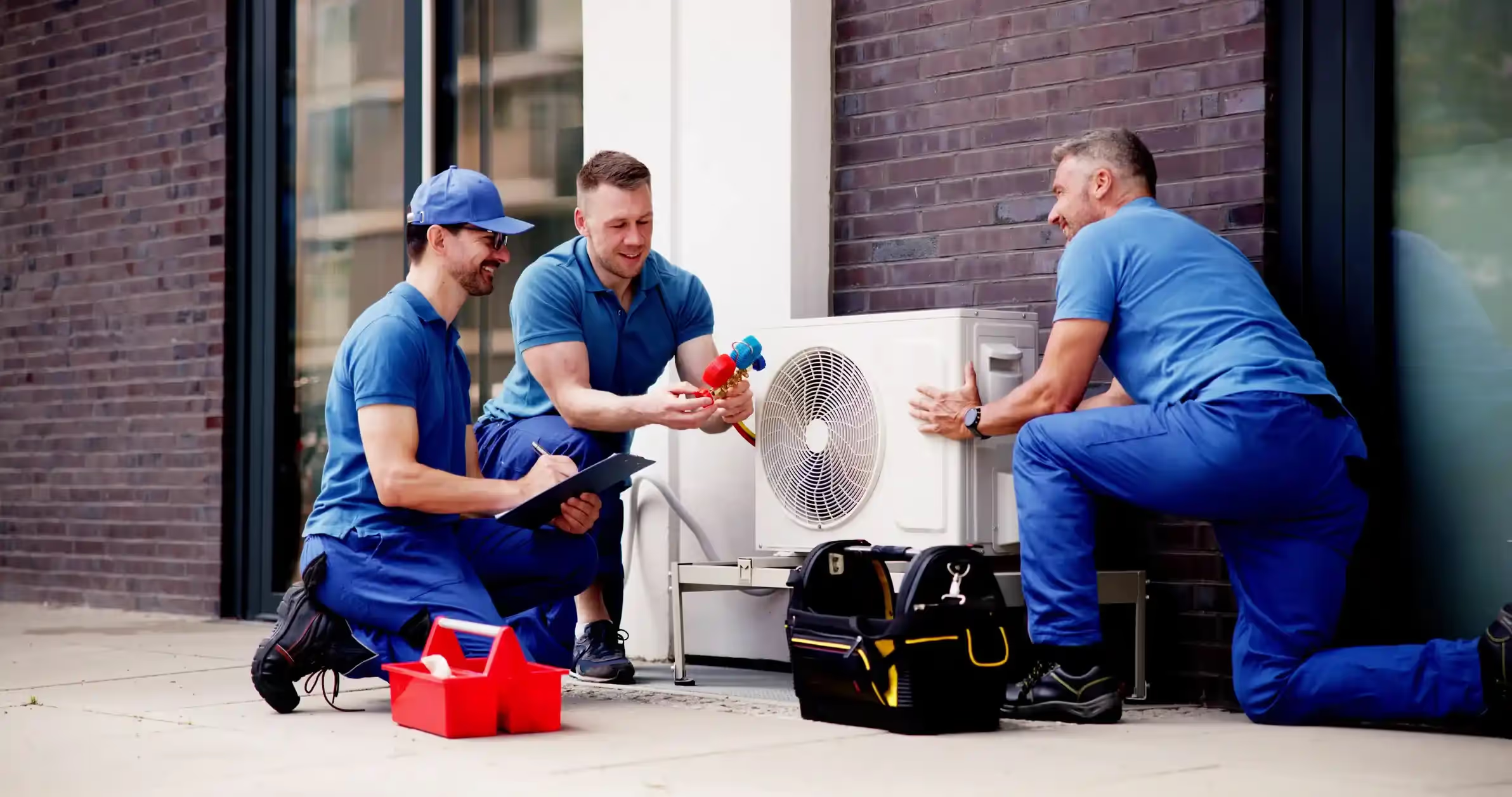
Detailed System Checks Include:
- Refrigerant Level Assessment: Technicians measure refrigerant charges to ensure they match manufacturer specifications. Low refrigerant levels often indicate a leak and cause the compressor to overheat and fail.
- Electrical Connection Tightening: Vibrations from normal operation can loosen electrical connections. Loose connections create resistance, heat, and potential fire hazards or component burnout.
- Condensate Drain Cleaning: In humid environments, algae and mold grow rapidly in drain lines. Clearing these lines prevents water backups that can trigger safety switches and shut down your system or cause water damage to your home.
- Capacitor and Contactor Testing: These electrical components start and run the compressor and fan motors. Testing their microfarads and pitting levels allows for proactive replacement before they fail on the hottest day of the year.
- Coil Cleaning: Dirty condenser and evaporator coils significantly reduce the system's ability to transfer heat. Cleaning these coils improves efficiency and lowers monthly energy bills.
The Maintenance Process: Step-by-Step Execution
Understanding the workflow of a professional service visit helps homeowners know what to expect. The process is designed to be thorough, non-intrusive, and efficient, providing you with immediate data regarding the status of your heating and cooling equipment.
Initial System Run and Assessment:
The process begins with the technician operating the system to listen for unusual noises and monitor airflow. This baseline test identifies obvious issues immediately. Temperature splits are measured across the return and supply vents to determine if the system is cooling or heating effectively.
Internal Component Inspection:
Power is disconnected for safety. The technician opens the access panels to inspect the blower motor, belt tension (if applicable), and internal wiring. At this stage, filters are checked and replaced if necessary. Martin's Heating & Air Conditioning technicians pay close attention to the blower wheel, as dust buildup here acts as an insulator and reduces air volume.
Outdoor Unit Optimization:
The focus shifts to the outdoor unit. Debris such as leaves, grass clippings, and dirt is removed from the cabinet. The condenser coil is chemically cleaned to remove grime that acts as a thermal barrier. The fan blade is inspected for cracks or balance issues that could damage the motor bearings.
Final Testing and Reporting:
Once cleaning and adjustments are complete, the system is powered back on. Technicians monitor amperage and voltage on motors and compressors to ensure they are running within safe limits. Finally, you receive a detailed report outlining the work performed, the current status of the equipment, and any recommendations for repairs if worn parts were detected.
Determining When to Replace vs. Continue Maintenance
A common dilemma for homeowners is deciding whether to continue maintaining an aging unit or to invest in a replacement. While maintenance extends the life of a system, there is a point of diminishing returns where repair costs outweigh the benefits of keeping an old unit running.
Making an informed decision requires analyzing specific data points regarding your current equipment.
The 50% Rule
Industry standards suggest that if the cost of a necessary repair approaches 50% of the value of the system, replacement is the more financially sound option. For example, replacing a compressor in a 12-year-old unit is rarely cost-effective compared to putting that money toward a new system with a fresh warranty.
Equipment Age and Efficiency
Most HVAC systems have a lifespan of 10 to 15 years. If your unit is over 10 years old and requires frequent repairs, it is likely operating at a much lower efficiency rating (SEER) than modern units. Upgrading to a higher SEER system can result in immediate savings on monthly utility bills, which helps offset the installation cost.
Refrigerant Type
Older systems utilize R-22 (Freon), a refrigerant that has been phased out due to environmental regulations. As supply dwindles, the cost of R-22 has skyrocketed. If your older system develops a refrigerant leak, the cost to recharge it may be prohibitive. Modern systems use R-410A or newer alternatives, which are more efficient, environmentally friendly, and affordable to service.
Frequency of Breakdowns
If you require service calls multiple times a year despite regular maintenance, the system has likely become unreliable. In Montegut, where summer heat is intense, reliability is a safety issue. A system that struggles to keep up with the thermostat setting or runs continuously without cycling off is signaling that it is nearing the end of its operational life.
Regional Considerations: Humidity and Hurricane Season
Local environmental factors heavily influence how HVAC systems function and deteriorate. In this region, the climate presents unique challenges that standard maintenance protocols must address.
Managing High Humidity
The humid subtropical climate means your air conditioner is the primary defense against indoor moisture. High humidity levels, particularly during the wet season from March to May, can lead to mold growth and structural damage within the home if the HVAC system is not removing moisture effectively. Maintenance ensures the evaporator coil is cold enough and the airflow is calibrated correctly to dehumidify the air as it cools. If a system is short-cycling (turning on and off too quickly), it cools the air but fails to remove humidity, leaving the home feeling clammy.
Corrosion and Salt Air
Proximity to the coast exposes outdoor units to salt air, which accelerates corrosion on aluminum coils and copper tubing. Standard coils can degrade rapidly in this environment, leading to refrigerant leaks and loss of structural integrity. During maintenance, technicians check for signs of advanced corrosion and may recommend coil coatings or specific cleaning agents that neutralize salt deposits to prolong the life of the metal.
Hurricane Season Preparation
The Atlantic hurricane season, running from June through November, requires specific HVAC preparation. High winds and flying debris can damage outdoor units. Maintenance includes checking the tie-downs and mounting brackets that secure the condenser to its pad. Ensuring the unit is stable prevents it from shifting or tipping during a storm, which could rupture refrigerant lines and cause electrical shorts. Additionally, clearing drainage pathways is critical; heavy rainfall associated with tropical storms can overwhelm clogged condensate drains, leading to water damage inside the home.
Technical Standards and Service Differentiators
Choosing a service provider involves looking beyond the price of a tune-up and evaluating the technical capability and reliability of the team. When your system fails, you need a provider who can respond immediately and resolve the issue correctly on the first visit.
24/7 Emergency Availability
HVAC failures rarely happen at convenient times. Breakdowns often occur during extreme temperature spikes when the system is under maximum load. A provider offering 24-hour service ensures that you have access to diagnostic and repair services nights, weekends, and holidays. This availability is critical for households with elderly residents, young children, or those with medical conditions exacerbated by heat.
Certified and Training Technicians
Modern HVAC equipment involves complex electronics, variable speed motors, and advanced zoning controls. Technicians must undergo continuous training to stay current with these technologies. Certification proves that the technician understands thermodynamics, electrical safety, and refrigerant handling codes. This expertise ensures that diagnoses are accurate—saving you money by avoiding unnecessary parts replacements.
Transparent Diagnostics and Warranties
A professional maintenance service provides clear, written documentation of the system’s condition. You should never have to guess what work was performed. Look for providers who stand behind their workmanship with guarantees. If a repaired component fails shortly after service, a warranty ensures it is replaced at no additional cost. This level of accountability protects your investment and ensures high standards of service.
Securing Your Home Comfort
Your heating and cooling system is the most expensive appliance in your home and the most critical for your daily comfort. Neglecting maintenance in a demanding climate inevitably leads to premature failure and higher operating costs. By investing in regular, professional care, you ensure your system operates at peak efficiency, handles the heavy humidity loads effectively, and remains reliable through storm season.
Whether you need a seasonal tune-up, a complex repair, or are considering a full system replacement, precise diagnostics and expert execution are required. Martin's Heating & Air Conditioning is ready to assist you with all your HVAC needs. Take control of your indoor climate today.
Schedule your comprehensive HVAC maintenance service now.
Talk to a Local HVAC Expert
.avif)