Is Your Furnace or Heat Pump Failing to Keep Up When Temperatures Drop?
Is your heater blowing cold air or making strange noises just as the weather turns chilly in Montegut? You are likely facing a disruption in your home comfort due to a lack of routine system care or an unexpected component failure, and you need a solution now. Call Martin's Heating & Air Conditioning immediately to restore warmth and safety to your home.
Residents in the area often experience sudden heating breakdowns because mild winters can lead to long periods of system inactivity, causing components to seize or corrode before they are needed most.
- Immediate troubleshooting and repairs performed by certified technicians to diagnose the root cause.
- 24/7 emergency availability to ensure your household remains safe during unexpected cold fronts.
- High-quality maintenance protocols designed to catch small issues before they become expensive breakdowns.
All services are performed by licensed professionals with up-to-date certifications and insurance, ensuring your warranty remains intact.
Comprehensive Heating Maintenance Scope and Timeline
When you schedule professional heating maintenance, you are securing the reliability of your system for the entire season. A standard tune-up is not merely a visual glance at the unit; it is a rigorous, multi-point inspection and cleaning process designed to bring the system back to factory specifications. This service typically takes between one to two hours, depending on the condition of the unit and accessibility.
The immediate goal of this service is to identify safety hazards and performance bottlenecks. Over time, heating systems accumulate dust, soot, and debris that restrict airflow and cause overheating. In Montegut, where humidity is high even in cooler months, moisture can lead to electrical corrosion or rust on vital components. A professional maintenance visit addresses these specific environmental stressors.
What is included in a comprehensive maintenance visit involves a deep dive into both the mechanical and electrical operations of the unit. Technicians focus on tightening loose electrical connections, which are a common cause of intermittent failures. They also measure the amperage and voltage of the blower motor and compressor to ensuring they are drawing the correct amount of power. If these components work too hard, they overheat and fail prematurely.
- System Cleaning: Removal of dirt and debris from the cabinet, blower compartment, and burners to ensure efficient combustion and airflow.
- Safety Inspection: Testing of safety controls, limit switches, and the heat exchanger to prevent fire hazards or carbon monoxide leaks.
- Lubrication: Application of lubricant to moving parts like motor bearings to reduce friction and eliminate grinding noises.
- Calibration: Adjustment of the thermostat and gas pressure settings to ensure the temperature you set is the temperature you get.
The System Tune-Up and Inspection Workflow
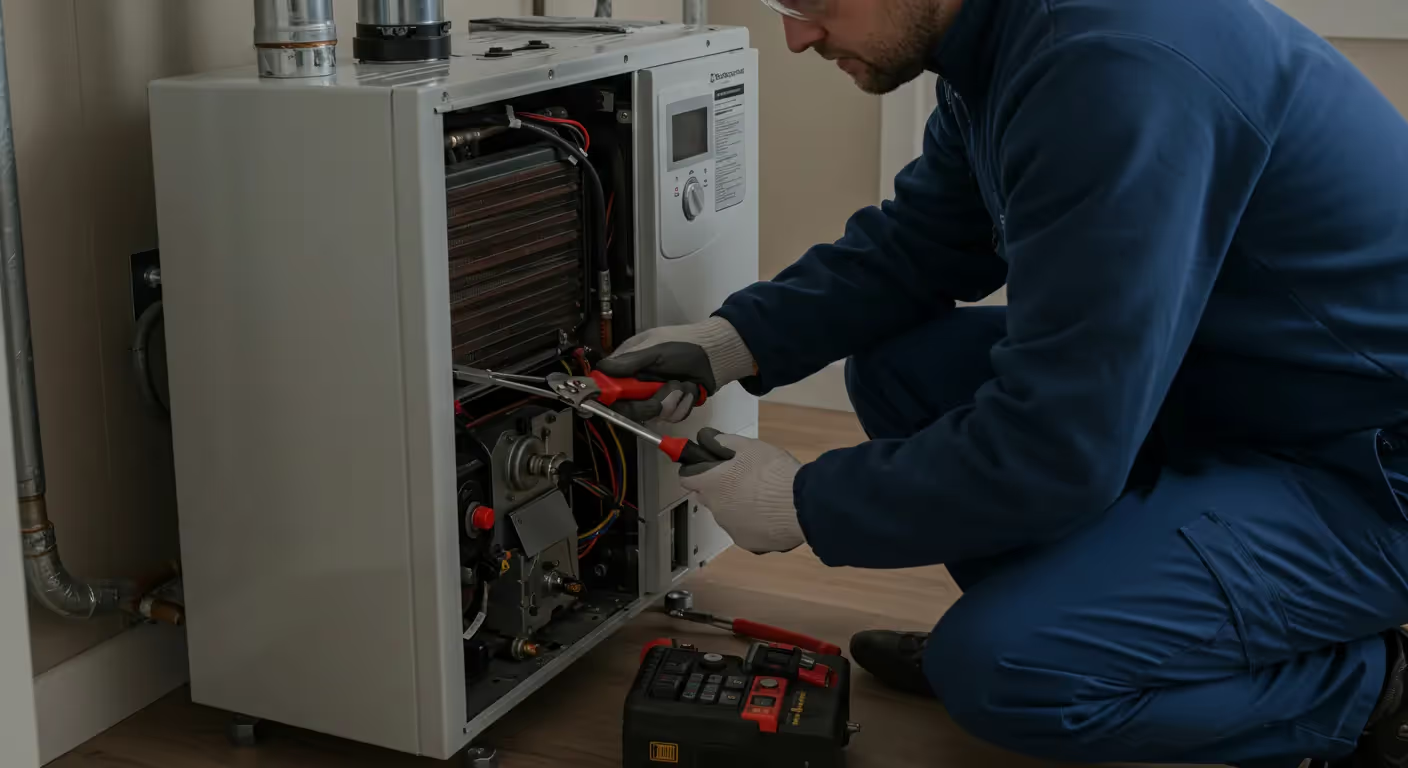
Understanding the workflow of a professional inspection helps homeowners know what to expect during a service call. The process begins with a discussion about any specific issues the homeowner has noticed, such as uneven heating or unusual smells. Following this, the technician performs a complete system run-through to observe the startup cycle.
- First, the technician cuts power to the unit to safely inspect internal components. This allows for the examination of the blower wheel and motor housing without the risk of injury or electrical shorting.
- Next, the technician inspects the air filter. A clogged filter is the single most common cause of heating failure. If the filter is impacted, it causes a drop in static pressure, forcing the system to work harder. The technician assesses whether the filter needs replacement or if the ductwork shows signs of leakage.
- Then, the focus shifts to the ignition system. For gas furnaces, this means checking the pilot light, hot surface igniter, or spark igniter. If the system fails to ignite reliably, it will lock out as a safety precaution. The flame sensor is cleaned to ensure it accurately detects heat; a dirty sensor will shut the system down within seconds of startup.
- Following the ignition check, the heat exchanger is examined for cracks. This is a critical safety step. A cracked heat exchanger allows exhaust gases, including carbon monoxide, to mix with the breathing air inside the home.
- Finally, the system is powered back on for an operational test. The technician measures the temperature rise—the difference in temperature between the air entering the return vent and the air blowing out of the supply registers. This data confirms whether the unit is generating adequate heat based on its specifications.
During this workflow, Martin's Heating & Air Conditioning technicians document every finding. If a part is near the end of its lifecycle, such as a capacitor reading below its rated microfarads, the homeowner is informed immediately. This allows for proactive replacement rather than a reactive emergency repair later in the winter.
Determining When Maintenance Suffices vs. Repairs
Homeowners often struggle to decide whether a system needs a simple tune-up, a significant repair, or a full replacement. Making this decision requires analyzing the age of the unit, the frequency of breakdowns, and the cost of operation.
Maintenance is sufficient when the system is relatively new (under 10 years old) and has simply been neglected for a season or two. If the unit makes a rattling noise but still heats, or if the airflow seems slightly restricted, a deep cleaning and tune-up will usually restore performance. Maintenance is preventative; it resets the system to its best possible state but cannot reverse significant wear and tear on major components like the compressor or heat exchanger.
Repair becomes necessary when a specific component fails. If the blower motor burns out or a control board malfunctions, the system will not run until that part is replaced. In these scenarios, homeowners must weigh the cost of the repair against the value of the system.
- The 50% Rule: If the cost of the repair approaches 50% of the value of a new system, replacement is generally the better financial decision.
- Frequency of Repairs: If you find yourself calling for service multiple times in a single season, the system is likely unreliable and reaching the end of its life. Continued repairs on a failing unit are rarely cost-effective.
- Rising Energy Bills: A steady increase in energy costs without a change in usage patterns indicates that the system is losing efficiency. If maintenance does not lower these costs, the internal components are likely too worn to operate efficiently.
- Uneven Heating: If certain rooms remain cold despite a running system and adjusted dampers, the unit may be undersized or suffering from ductwork issues that simple maintenance cannot fix.
Local Climate Factors and System Efficiency
The climate in Montegut presents unique challenges for heating systems. While winters are generally mild compared to northern states, the region experiences high humidity year-round. This moisture is a primary enemy of heating equipment, particularly for heat pumps and gas furnaces located in attics or crawl spaces.
Rust and corrosion can develop rapidly on electrical contacts and metal cabinets. During maintenance, technicians pay special attention to signs of oxidation on wiring and switches. A corroded wire can cause high resistance, leading to heat buildup and eventual electrical failure.
- Start-Up Syndrome: Because winters are short, heating systems sit idle for many months. When the first cold snap hits, usually in late autumn or early winter, systems are forced to work hard after a long dormancy. This sudden demand often triggers failures in weak components like capacitors or igniters. Pre-season maintenance is essential to ensure the system wakes up without issue.
- Heat Pump Reliance: Many homes in the area utilize heat pumps, which handle both cooling and heating. These units work year-round and experience double the wear and tear of a standalone furnace. Consequently, they require more frequent checks on the reversing valve and defrost board to ensure they can switch modes effectively when temperatures drop.
- Hurricane Season Aftermath: Heavy rainfall and storms during late summer can affect outdoor units. Debris such as leaves, twigs, and mud can accumulate inside the condenser coil. If not removed before winter, this debris restricts airflow and reduces the unit's ability to extract heat from the outside air, driving up electricity bills.
Local codes and permit regulations also play a role in how heating services are delivered. Professional technicians ensure that all work complies with local safety standards, particularly regarding gas line connections and exhaust venting. Improper venting can lead to dangerous back-drafting of fumes, a risk that is strictly mitigated through professional service.
Why Professional Maintenance Matters for Long-Term Comfort
Skipping professional maintenance is a leading cause of premature system failure. While changing an air filter is a task homeowners can handle, the technical aspects of a heating system require specialized tools and training. Attempting DIY repairs or neglecting the system entirely often leads to voided warranties and reduced lifespan.
Manufacturers of heating equipment typically require proof of annual maintenance to keep the warranty valid. If a major component fails and there is no record of professional care, the manufacturer may deny the claim, leaving the homeowner responsible for the full cost of the part. Professional service provides the documentation needed to protect this investment.
Furthermore, professional maintenance ensures energy efficiency. A system that is clean and well-lubricated runs smoothly, using less energy to heat the home. This translates directly to lower monthly utility bills. Over the course of a few years, the savings on energy costs can offset the price of the maintenance visits — view current promotions for savings.
Safety is the most critical differentiator. Gas furnaces involve combustion, and any malfunction in the process can be hazardous. Professionals inspect the color of the flame (which should be blue, not yellow) to ensure clean combustion. They test the draft of the flue pipe to guarantee exhaust gases are exiting the home properly. These are checks that cannot be performed without specific training and diagnostic equipment.
- Extended Equipment Life: Regular care reduces the strain on the system, allowing it to last years longer than a neglected unit.
- Improved Air Quality: Cleaning the internal components reduces the amount of dust and allergens circulated through the ductwork.
- Peace of Mind: Knowing the system has been inspected by an expert means you do not have to worry about the heat going out in the middle of a cold night.
Taking Action for Your Home Comfort
Your home’s heating system is essential for safety and comfort during the cooler months. Waiting until a breakdown occurs results in stress, discomfort, and higher emergency repair costs. Proactive maintenance is the most effective way to ensure reliable operation, consistent warmth, and energy efficiency throughout the season.
Do not let a minor issue turn into a major system failure. Ensure your heater is ready to handle whatever the weather brings. Schedule your heating service maintenance today.
Talk to a Local HVAC Expert
.avif)