AC Repair in Montegut, LA
Struggling with AC issues in Montegut's humidity? Contact Martin's Heating for rapid, professional repair services today and stay cool this summer.
Is Your Air Conditioner Failing to Beat the Humidity?
When your AC fails, quick repair becomes an immediate priority, especially during Montegut's notoriously hot and humid summers. Our team at Martin's Heating & Air Conditioning provides fast, dependable service to restore your comfort. Contact us immediately to schedule a diagnostic visit or to discuss financing options for major repairs.
- Same-day AC repair service to minimize your discomfort
- Transparent pricing with no hidden fees
- Expertise in dealing with the unique demands of Montegut's climate
Fully licensed and insured, with all work guaranteed for your peace of mind.
What You Get With Professional Diagnostic Service
When your cooling system stops working efficiently, you need more than a quick patch; you need a comprehensive assessment that identifies the root cause of the failure. In Montegut, where high humidity puts constant strain on HVAC equipment, a surface-level fix often leads to recurring issues. Our service begins with a thorough evaluation of your entire system.
Upon arrival, a technician assesses the immediate symptoms you are experiencing, whether that is warm air blowing from vents, strange noises, or a complete system shutdown. The goal is to provide a clear, accurate diagnosis so you can make an informed decision about how to proceed. You receive a detailed breakdown of the findings, including the specific part failures, the overall health of the system, and the estimated cost for repairs.
This diagnostic phase covers several critical checkpoints:
- Thermostat Calibration: Verification that the thermostat is reading indoor temperatures accurately and communicating correctly with the condenser and air handler.
- Electrical Components: Inspection of capacitors, contactors, and wiring connections to identify burnt or loose components that may cause intermittent failures.
- Refrigerant Levels: Measurement of refrigerant pressure and subcooling/superheat levels to detect potential leaks or undercharging which severely impacts cooling capacity.
- Airflow Analysis: Examination of the blower motor, air filter, and ductwork to ensure proper air volume is moving across the evaporator coil.
- Condensate Drain System: Checking for blockages in the drain line that can trigger safety float switches and shut down the unit to prevent water damage.
Once the assessment is complete, you are presented with repair options. There is no guessing; you approve the work before any tools are applied to fix the problem. This ensures that you understand exactly what is being fixed and why it is necessary for the longevity of your unit.
The Repair Process: From Assessment to Restoration
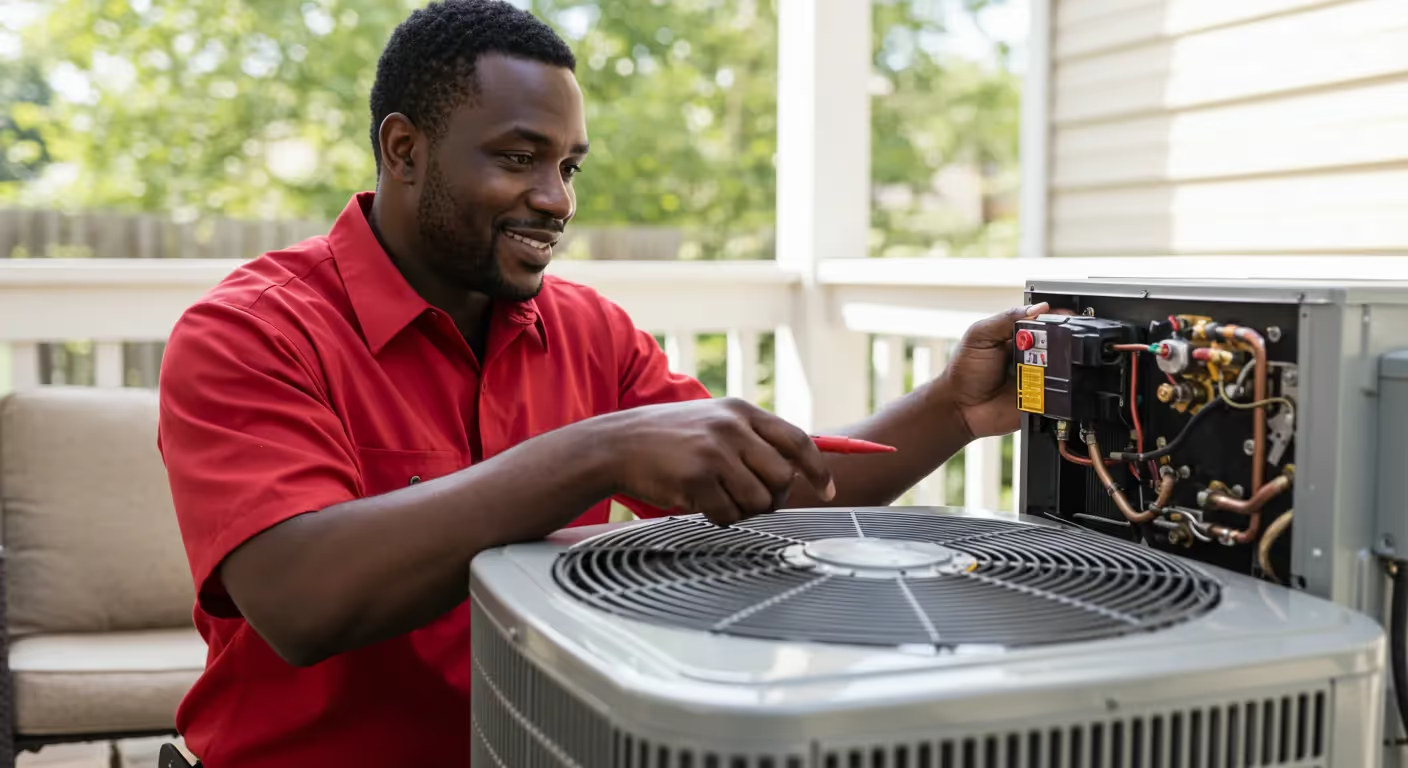
Restoring a malfunctioning air conditioner requires a systematic approach to ensure safety and efficiency. Attempting DIY repairs on high-voltage equipment is dangerous and can void manufacturer warranties. A professional repair follows a strict protocol to bring your system back to manufacturer specifications.
- Site Protection and Safety Setup: The technician prepares the workspace, ensuring the power is disconnected at the service disconnect box to work safely. Drop cloths or shoe covers are used to protect your home’s interior during the process.
- Component Isolation: The faulty component, such as a bad compressor capacitor or a seized fan motor, is isolated. If the issue involves a refrigerant leak, the technician uses electronic leak detectors to pinpoint the exact source of the escape.
- Part Replacement: Defective parts are removed and replaced with OEM (Original Equipment Manufacturer) or high-quality equivalent parts. This ensures compatibility and reliability. For example, replacing a generic "universal" motor with one specifically designed for your condenser ensures the fan spins at the correct RPM for optimal heat rejection.
- System Testing: After the new part is installed, the system is not just turned on; it is tested under load. The technician monitors amp draws on motors and the compressor to ensure they are within the rated range.
- Refrigerant Charge Adjustment: If the system was low on refrigerant, it is charged to the precise level required by the manufacturer. Overcharging or undercharging can damage the compressor, so this step is performed using digital gauges and temperature clamps.
- Performance Verification: The final step involves measuring the temperature split—the difference in temperature between the air entering the return vent and the air leaving the supply vents. A proper split indicates the system is removing heat and humidity effectively.
When to Repair vs. When to Replace
Deciding between repairing an aging unit and investing in a new system is one of the most difficult choices homeowners face. While repairs are often the lower upfront cost, they may not always be the most financially prudent choice in the long run, particularly if the system is nearing the end of its lifespan.
In the HVAC industry, a common guideline used to assist in this decision is the "5,000 Rule." You multiply the age of the equipment by the estimated cost of the repair. If the total exceeds $5,000, replacement is generally the better investment. For example, if you have a 12-year-old unit requiring a $500 repair, the score is 6,000, suggesting that money might be better spent on a new, more efficient system.
However, beyond simple math, there are performance factors to consider:
- Frequency of Breakdowns: If you have required multiple repairs in the last two years, the system is likely entering a phase of rapid decline. Continuing to patch it is throwing good money after bad.
- Energy Efficiency (SEER Rating): Older units in Montegut often have SEER ratings of 10 or 12. Modern standards require higher efficiency, which can significantly lower monthly electricity bills. Replacing a 10 SEER unit with a 15 or 16 SEER unit can result in substantial energy savings that offset the installation cost over time — check our current promotions for savings.
- Refrigerant Type: Older systems utilize R-22 (Freon), which has been phased out and is incredibly expensive to replenish. If your R-22 system develops a leak, replacement is almost always the only viable option due to the cost and scarcity of the refrigerant.
- Comfort Levels: If your current unit runs constantly but fails to keep the house cool or remove humidity, it may be undersized or the compressor may be losing compression. A repair might fix the immediate breakdown, but it won't solve the underlying performance degradation.
Local Climate Considerations for AC Repair
Operating an air conditioner in Montegut presents specific challenges that are distinct from other regions. The humid subtropical climate means your AC isn't just cooling the air; it is performing heavy-duty dehumidification. This places a significant load on the system, specifically the evaporator coil and the condensate drainage system.
When humidity levels outside hover near 90% or higher, your AC must run longer cycles to pull moisture out of the indoor air. If a unit is short-cycling (turning on and off too quickly), it cools the air but leaves the moisture, resulting in a cold, clammy feeling inside the home. Repair technicians must verify that the system is tuned to handle this latent heat load effectively.
- Condensate Management: The high volume of water removed from the air means drain lines can clog easily with algae and sludge. Regular clearing of these lines during repairs is essential to prevent water damage to ceilings or floors — consider a maintenance plan for protection.
- Corrosion and Salt Air: For properties closer to the water, salt spray can accelerate the corrosion of aluminum fins on the condenser coil. Technicians check for fin deterioration which reduces the unit's ability to release heat, causing the compressor to overheat.
- Hurricane Season Preparation: Montegut is susceptible to severe weather from June to November. Systems should be anchored securely. After a storm, it is vital to have the electrical components checked before restarting the unit, as power surges or saltwater intrusion can cause hidden damage that leads to electrical fires or immediate component failure.
- Regulatory Compliance: Any major repair involving refrigerant handling or component replacement must adhere to EPA regulations and local building codes. This ensures environmental safety and protects the homeowner from liability.
The Technical Reality of Air Conditioning Components
Understanding a few key components can help homeowners better articulate problems when calling for service. While you do not need to be an expert, knowing the basics helps in understanding the scope of repairs.
- The Compressor: Often called the heart of the system, this pump circulates refrigerant. If the compressor fails, it is usually a major repair or a reason for system replacement.
- The Capacitor: This small electrical component stores energy to help motors start. In high heat, capacitors are prone to swelling and failing. A bad capacitor is a common, relatively simple repair, but if ignored, it can cause the compressor or fan motor to burn out.
- The Evaporator Coil: Located inside the home, this coil absorbs heat. If it becomes dirty or freezes over due to low airflow, the system cannot cool. Leaks often develop here due to formicary corrosion (corrosion from inside the copper tubing).
- The Contactor: This switch controls the flow of electricity to the compressor and fan. Over time, the contact points can become pitted or welded shut, causing the unit to run continuously or not at all.
Why Professional Service Matters
While there are many general handy-services available, specialized HVAC repair requires specific licensing, tools, and training. Modern air conditioning systems are complex machines involving high-voltage electricity, high-pressure gases, and sophisticated electronics.
Martin's Heating & Air Conditioning employs technicians who understand the specific load calculations required for Louisiana homes. Improper diagnosis leads to parts cannoning—replacing parts at random hoping one fixes the issue—which drives up costs and downtime. A professional approaches the problem with a multimeter and pressure gauges, diagnosing based on data rather than guesswork.
Furthermore, professional service comes with warranties on both parts and labor. If a replaced part fails within the warranty period, you are covered. Unlicensed work rarely offers this protection and can void the manufacturer's warranty on the entire unit. When you choose a dedicated HVAC provider, you are investing in the reliability and safety of your home’s climate control system.
Whether it is a simple capacitor swap or a complex refrigerant leak repair, the focus remains on restoring efficiency and longevity to your equipment. We ensure that residents in Montegut have reliable cooling when they need it most.
Don’t let a broken AC compromise your comfort and safety. Contact us now for prompt, professional repair services that get your system running efficiently again.
Talk to a Local HVAC Expert

.avif)