Eliminate Heating Inefficiencies and Unexpected Breakdowns
High humidity and extreme temperature fluctuations can push your heating system to its limits, causing performance to degrade exactly when you need comfort the most. When your system shows signs of strain or fails to regulate temperature effectively, you need fast, reliable service to restore safety and warmth to your home immediately. Call us at [Phone Number] or contact us online to schedule your service today.
In Lockport, LA, the combination of heavy annual rainfall and humidity creates a harsh environment for HVAC equipment. Moisture accelerates corrosion and electrical issues, leading to downtime if not addressed proactively. At Martin's Heating & Air Conditioning, we provide a maintenance solution designed to counteract these local variables.
- Expedited installations and repairs—reducing downtime.
- Licensed and experienced technicians ensuring quality.
- 24/7 service availability for emergency needs.
All services come with a comprehensive warranty and clear permits handled by us.
Comprehensive Maintenance Scope and Deliverables
Effective heating maintenance goes beyond a simple filter change. It involves a rigorous inspection and calibration of the entire system to ensure it operates safely and efficiently. Modern heating systems contain complex electrical and mechanical components that require precision tuning. Our service ensures every part of the unit functions within manufacturer specifications.
Safety Inspection and Carbon Monoxide Testing
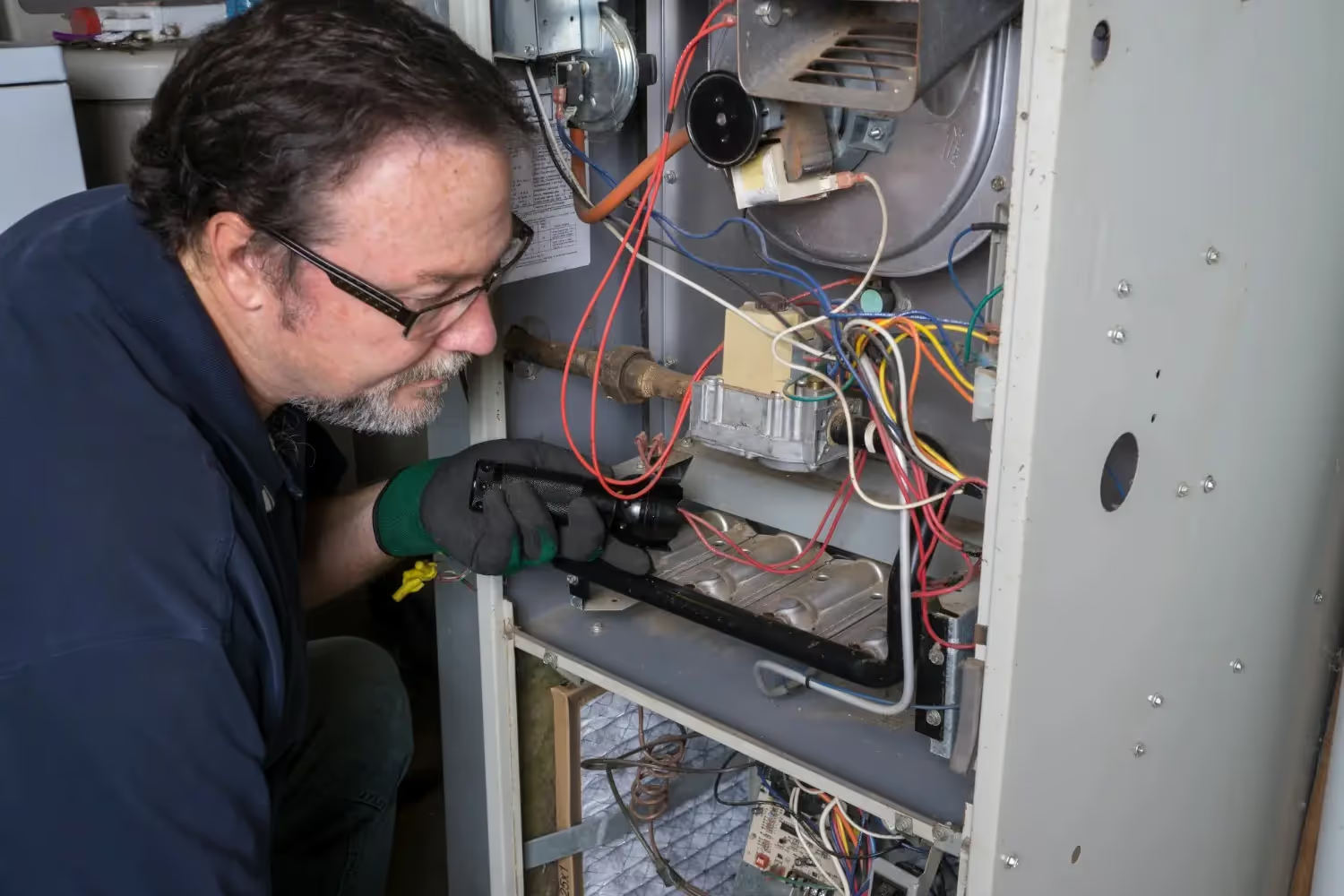
The most critical aspect of heating maintenance is safety. Gas furnaces burn fuel to generate heat, and this combustion process produces byproducts like carbon monoxide. A cracked heat exchanger or a blocked flue pipe can allow these dangerous gases to leak into your living space. We perform thorough visual inspections and use sensitive equipment to detect any breaches in the heat exchanger or ventilation system. Ensuring the combustion chamber is sealed and venting correctly is the first step in our protocol.
Burner Assembly Cleaning and Tuning
Over time, the burner assembly accumulates dust, soot, and oxidation. This buildup disrupts the fuel-to-air ratio, leading to incomplete combustion. Incomplete combustion reduces heating efficiency and increases the production of soot, which can clog the system further. We remove the burners, clean them to bare metal, and inspect the orifices for blockages. We then ignite the system to observe the flame characteristics. A steady, blue flame indicates efficient burning, while a yellow or flickering flame signals an issue that requires immediate adjustment.
Blower Motor and Airflow Optimization
The blower motor is responsible for circulating warm air throughout the house. If the motor is covered in dust or if the capacitor is weak, the component will overheat and eventually fail. We measure the amperage and voltage of the blower motor to ensure it is not drawing excessive power. We also inspect the blower wheel for debris accumulation. Even a small layer of dust on the blower wheel blades can significantly reduce airflow, causing the heat exchanger to overheat and triggering safety limit switches that shut the system down.
Electrical Connection Tightening
Vibration during operation causes electrical connections to loosen over time. Loose connections create resistance, which generates heat and can lead to melted wires or component failure. Martin's Heating & Air Conditioning technicians inspect all wiring, tighten loose terminals, and check safety controls to prevent electrical hazards. This includes testing the limit switch, which acts as a safety guard against overheating.
Thermostat Calibration
A thermostat that reads the temperature incorrectly will cause the heater to cycle on and off too frequently or run longer than necessary. We check the calibration of your thermostat against a precision thermometer. If the differential is significant, we recalibrate or recommend adjustments to ensure your system responds accurately to the temperature demands of the home.
The Heating Maintenance Execution Process
We utilize a systematic approach to maintenance that minimizes disruption to your day while maximizing the thoroughness of the service. This process is consistent, documented, and transparent.
Scheduling and Dispatch
The process begins with a confirmed appointment window. You receive notification when a technician is en route to your location in Lockport or surrounding areas. This eliminates the uncertainty of waiting and allows you to plan your day.
Initial System Assessment
Upon arrival, the technician listens to the system during startup. Abnormal sounds like banging, screeching, or rattling often point to specific mechanical failures. We also engage with the homeowner to discuss any specific comfort issues, such as cold spots in certain rooms or unusual odors.
Diagnostic Testing and Cleaning
The technician isolates power to the unit and begins the hands-on work. Panels are removed to access internal components. The cleaning phase involves vacuuming the cabinet, brushing heat exchangers, and clearing drain lines (if a heat pump or condensing furnace is present). Diagnostic tools are hooked up to measure gas pressure, static pressure, and temperature rise.
Performance Verification
After cleaning and adjustments, the system is powered back on. We run the heater through a complete heating cycle. The temperature rise—the difference between the air temperature entering the return and leaving the supply—is calculated. This metric confirms the system is transferring heat efficiently.
Reporting and Documentation
You receive a detailed report of the work performed. This includes the status of critical components, measurements taken, and any recommendations for future repairs. If a part is near the end of its lifespan, we inform you immediately so you can make a decision before a total failure occurs.
Deciding Between Repair and System Replacement
Heating systems are durable, but they are not permanent. Determining whether to invest in another repair or proceed with a replacement requires a logical analysis of age, cost, and safety. Making the right decision prevents sinking money into a dying asset.
The Age of the System
Most gas furnaces and heat pumps have a service life between 15 and 20 years. If your equipment is approaching or exceeding this range, major components like the compressor or heat exchanger are statistically likely to fail soon. Investing in expensive repairs for a unit in this age bracket is rarely cost-effective compared to the efficiency gains of a modern system.
The Cost of Repair vs. System Value
Industry professionals often use the "50% Rule." If the cost of a necessary repair approaches 50% of the value of the system (or the cost of a new unit), replacement is the smarter financial move. For example, replacing a cracked heat exchanger or a failed compressor is labor-intensive and costly. Putting that money toward a new system with a fresh warranty provides better long-term value — ask about financing options.
Frequency of Breakdowns
If you require heating repairs multiple times a year, the system has become unreliable. Frequent breakdowns indicate that multiple components are wearing out simultaneously. While one part is fixed, the stress transfers to the next weakest link. A new installation eliminates the cycle of recurring service calls and unexpected expenses.
Safety Concerns
A system that poses a safety risk must be replaced if the repair does not guarantee total safety. Older units with rusted flues or compromised heat exchangers present a risk of carbon monoxide poisoning. In these scenarios, replacement is not just about comfort or efficiency; it is about the safety of the occupants.
Rising Energy Bills
As heating systems age, they lose efficiency. Parts wear down, friction increases, and heat transfer becomes less effective. If your energy bills have steadily increased despite normal usage, the system is working harder to produce the same amount of heat. Modern high-efficiency units can significantly lower monthly utility costs, eventually offsetting the price of installation.
Local Factors Affecting Heating in Lockport
Operating a heating system in Lockport requires specific attention to environmental factors that differ from other regions. The climate here presents unique challenges that standard maintenance protocols must address.
High Humidity and Corrosion Risks
Lockport experiences high average annual rainfall and significant humidity levels. While heating is typically associated with dry air, the downtime during the humid months is where the damage often starts. Moisture can accumulate on idle components, leading to rust on the heat exchanger or corrosion on electrical contacts. Our maintenance includes specific checks for moisture-related degradation to prevent premature failure.
Mild Winters and Short Cycling
The winters in this region are generally mild, with temperatures ranging from the mid-50s to upper 60s, punctuated by occasional cold snaps. This can cause heating systems to "short cycle," where they run for very brief periods. Short cycling prevents the system from reaching peak operating temperature, which can lead to condensation buildup in the flue and heat exchanger. Proper sizing and thermostat settings are crucial to prevent this issue.
Permitting and Code Compliance
Any significant heating repair or replacement in the area must adhere to local building codes. This ensures that gas lines are piped correctly, electrical circuits are grounded, and venting meets safety standards. Professional service providers handle the permitting process, ensuring that all work is compliant with local regulations and does not jeopardize home insurance coverage or resale value.
Storm Season Preparedness
Frequent thunderstorms in the summer can cause power surges that damage the control boards of HVAC systems. Even though the heat isn't running, the unit is connected to the grid. Checking the integrity of surge protectors and grounding during maintenance ensures the heating system is ready to operate when the weather eventually cools down.
Proof of Reliability and Service Excellence
When your heat fails, you need a provider that combines technical expertise with operational reliability. We focus on delivering tangible results through established processes and qualified personnel.
24/7 Emergency Response
Heating failures rarely happen during convenient business hours. We maintain a staffed emergency line and have technicians on standby to address critical failures on nights, weekends, and holidays. You do not have to wait for Monday morning to restore heat to your home.
Fully Licensed and Insured
We operate with full licensure for heating and cooling services. This protects you from liability and ensures that every technician working on your property has met rigorous training and certification standards. We carry the necessary insurance to cover our work, providing peace of mind that your property is protected.
Inventory and Parts Availability
Our service vehicles are stocked with the most common heating repair parts, including igniters, flame sensors, capacitors, and control boards. This allows us to complete most repairs in a single visit, eliminating the need to order parts and schedule a follow-up appointment.
Transparent Diagnostics
We believe in showing, not just telling. Our technicians explain the root cause of the problem and provide clear options for resolution. You remain in control of the decision-making process, with no hidden fees or surprise charges on the final invoice — read our customer reviews.
Protect Your System’s Lifespan with Professional Heating Maintenance
Martin's Heating & Air Conditioning is committed to keeping your home comfortable regardless of the weather outside. Proper maintenance is the key to longevity, efficiency, and safety for your heating system. Don't wait for the first freeze to discover a problem.
Secure your comfort and safety today—schedule your heating maintenance now.
Talk to a Local HVAC Expert
.avif)