Is Your Heating System Failing to Keep Up With Cold Snaps?
In Houma's humid subtropical climate, a breakdown in your heating system can disrupt your comfort significantly, especially when winter temperatures drop unexpectedly. A reliable furnace or heat pump is essential for safety and comfort, and waiting for a fix is not an option when the house is cold. Martin’s Heating & Air Conditioning provides swift, reliable services to restore your warmth on cool winter nights. Contact us immediately to schedule your service.
- Guaranteed same-day service calls for all requests made before 2 PM.
- 24/7 emergency heating services to address urgent issues anytime.
- Experienced technicians servicing Houma with 30+ years of community trust.
Fully licensed and insured, offering comprehensive warranties and straightforward financing options.
Fast Service for Common Heating Issues
When a heating system falters, the symptoms are often distinct and disruptive. Homeowners frequently encounter specific performance issues that indicate the need for professional intervention. Ignoring these signs often leads to more extensive damage or a complete system shutdown. Addressing these problems early through targeted maintenance or repair ensures consistent temperature control and energy efficiency.
One of the most prevalent issues involves uneven heating throughout the property. This often manifests as some rooms remaining chilly while others become uncomfortably hot. This imbalance usually points to issues with the ductwork, a failing blower motor, or an uncalibrated thermostat. Airflow restrictions caused by dirty filters or blocked vents can also force the system to overwork, leading to premature wear on internal components.
Strange noises coming from the heating unit act as another clear warning signal. Rattling, banging, or squealing sounds suggest loose components, belt issues, or imminent motor failure. A furnace should operate relatively quietly; any deviation from the standard hum indicates a mechanical problem that requires immediate diagnostic attention. Similarly, unusual odors, particularly the smell of burning dust that persists or the distinct scent of gas, require emergency service to ensure the safety of the household.
Short cycling is a technical issue where the heater turns on and off frequently without completing a full heating cycle. This places immense strain on the heat exchanger and the ignition system. It is often caused by an oversized unit, a faulty thermostat, or a safety switch triggering a shutdown due to overheating. Resolving short cycling is a priority to prevent a total system burnout.
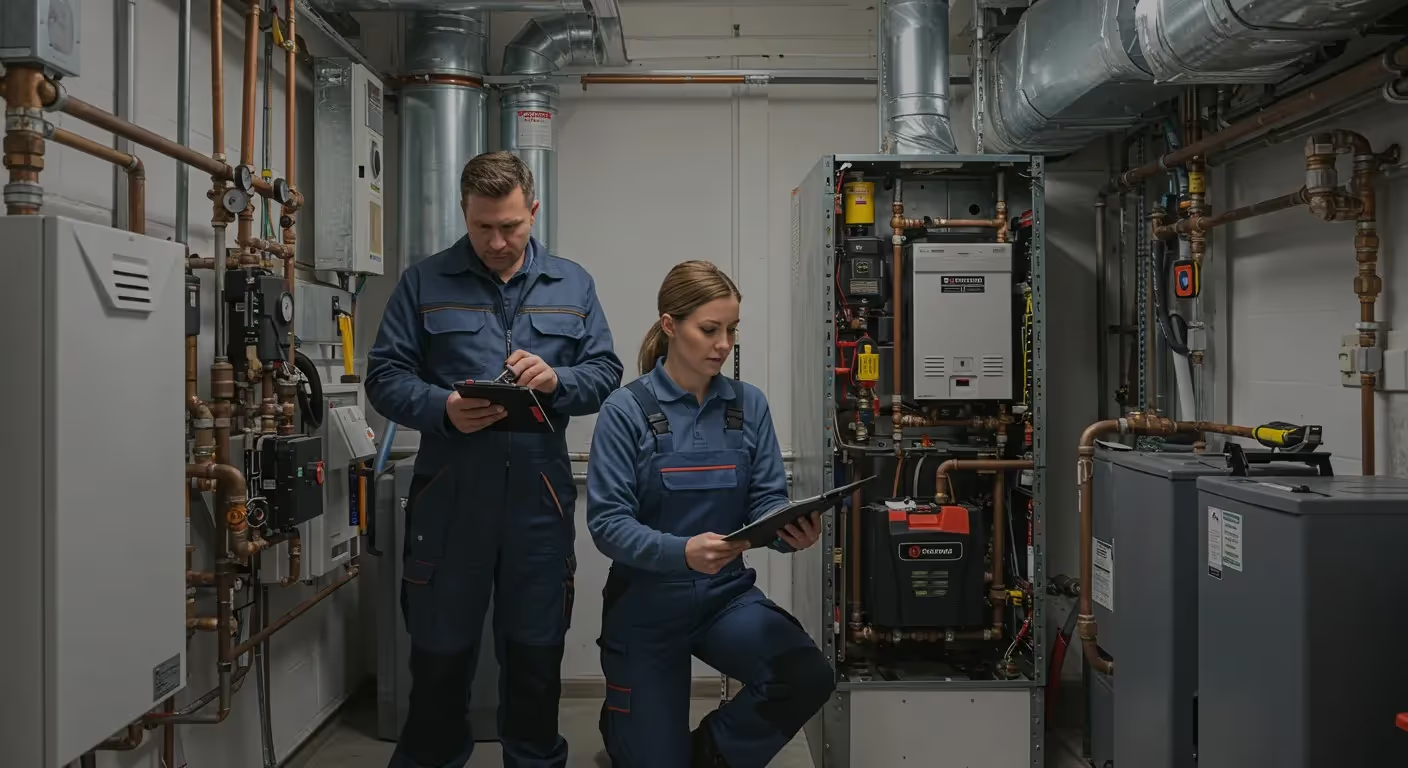
Our Services Include: Immediate Repairs, Full Installations, and Regular Maintenance
Comprehensive heating care requires a multi-faceted approach. We do not simply fix what is broken; we ensure the entire HVAC ecosystem functions at peak performance. The service scope covers every aspect of the heating lifecycle, from urgent diagnostics to routine preventative care that extends the lifespan of the equipment.
Diagnostic and Repair Services
- Ignition Control and Pilot Light Repair: Troubleshooting electronic ignition systems or relighting pilot lights to ensure the burner activates correctly.
- Thermostat Calibration: ensuring the communication between the control panel and the furnace is accurate for precise temperature regulation.
- Blower Motor Replacement: Swapping out burnt-out motors or worn belts to restore proper air circulation.
- Heat Exchanger Inspection: Checking for cracks or corrosion that could lead to dangerous carbon monoxide leaks.
Preventative Maintenance Tune-Ups
- Safety Control Testing: Verifying that limit switches and safety sensors engage properly to prevent overheating or fire hazards.
- Electrical Connection Tightening: Securing loose wires and measuring voltage/amperage on motors to prevent electrical shorts.
- Gas Pressure Adjustment: Measuring and adjusting gas pressure to manufacturer specifications for optimal burn efficiency.
- Condensate Drain Cleaning: For high-efficiency furnaces and heat pumps, clearing drain lines prevents water damage and humidity issues.
System Overhauls and Upgrades
- Ductwork Repair: Sealing leaks and insulating ducts to ensure heated air reaches the intended living spaces without thermal loss.
- Filter Replacement Strategy: Identifying the correct MERV rating for your specific unit to balance air quality with airflow requirements.
Your Step-by-Step Guide to Installation and Replacement
While maintenance can prolong the life of a system, there comes a point where installation or replacement becomes the necessary path. Understanding the workflow helps homeowners prepare for the transition and ensures clarity on what occurs during the service appointment. This process is designed to be minimally invasive while maximizing the efficiency of the new setup.
Load Calculation and Assessment:
The process begins with a Manual J load calculation. This technical assessment determines the exact heating requirements of the home based on square footage, insulation levels, window placement, and local climate data. Installing a unit that is too big or too small results in inefficiency; precise sizing is critical for long-term comfort.
Site Preparation and Removal:
Technicians protect the surrounding area with drop cloths and floor coverings before disconnecting the old unit. The gas or electrical supply is safely shut off. The existing equipment is carefully dismantled and removed from the property, including the disposal of old coolant or hazardous materials in compliance with environmental regulations.
System Installation:
The new furnace or heat pump is positioned and leveled. Technicians connect the plenum to the existing ductwork, ensuring an airtight seal to prevent pressure loss. Gas lines or electrical wiring are connected to the new unit, adhering to strict local building codes. If a heat pump is being installed, the refrigerant lines are brazed and vacuum-tested to ensure there are no leaks.
Testing and Commissioning:
Once the physical installation is complete, the system undergoes a rigorous commissioning phase. This involves firing up the furnace, checking the temperature rise (the difference between supply and return air temperature), and verifying that the thermostat controls the unit correctly. The technician measures static pressure to guarantee the blower is moving the correct volume of air.
Final Walkthrough:
The service concludes with a demonstration of the new system. Homeowners receive instructions on how to operate the thermostat, how to change filters, and what maintenance schedule is required to keep the warranty valid.
Deciding Between Repair and Full Replacement: What to Consider
Determining whether to invest in another repair or opt for a full system replacement is a financial and logical decision that hinges on several specific factors. Making the right choice depends on analyzing the age of the unit, the cost of current repairs, and the long-term energy savings potential.
The Age Factor
Heating systems generally have a lifespan of 15 to 20 years for furnaces and 10 to 15 years for heat pumps. If the equipment in your Houma home is approaching or has exceeded this range, parts will become obsolete and more expensive to source. A major component failure in an aging unit often signals that other parts are likely to fail soon, making replacement a more prudent financial move.
The 50% Rule
Industry professionals often apply the "50% Rule" to assist in decision-making. If the cost of the necessary repair approaches 50% of the value of a brand-new system, replacement is the better investment. Spending half the cost of a new unit on an old, inefficient machine rarely yields a positive return on investment.
Frequency of Breakdowns
A single breakdown is manageable, but repeated service calls throughout a single winter indicate a system in decline. If you find yourself calling for service multiple times a season, the cumulative cost of service fees and parts will quickly outpace the monthly cost of financing a new, reliable system.
Energy Efficiency Ratings
Older units often operate at 60% to 70% Annual Fuel Utilization Efficiency (AFUE), meaning 30% to 40% of the energy paid for is wasted. Modern systems operate at 90% AFUE or higher. Martin's Heating & Air Conditioning can help calculate the potential savings on utility bills, which often helps offset the upfront cost of installation over time.
Navigating Houma’s HVAC Requirements: Permits and Seasonal Advice
Operating a heating system in Terrebonne Parish requires an understanding of local environmental factors and regulatory standards. The climate here presents unique challenges that standard maintenance protocols must account for, particularly regarding humidity control and storm safety.
Permitting and Code Compliance
Significant HVAC work, such as the replacement of a furnace or the installation of new ductwork, typically requires a permit from local building authorities. This ensures that the installation meets safety codes regarding gas piping, electrical connections, and venting. Professional service providers handle the procurement of these permits and schedule the necessary municipal inspections. Compliance is not optional; unpermitted work can complicate future home sales and may void homeowner insurance policies in the event of a claim.
Managing Humidity and Mild Winters
Unlike northern climates, our region deals with high humidity year-round. A properly functioning heater plays a role in moisture control during the cooler months. If a system is oversized, it will satisfy the temperature setting too quickly and shut off before it has had a chance to remove excess moisture from the air. This can lead to mold growth in ductwork. Maintenance technicians adjust blower speeds and cycle rates to optimize for this specific subtropical climate.
Hurricane Season Aftermath
While hurricane season officially ends in November, the impact on HVAC systems can linger into the heating season. Debris from storms, saltwater corrosion on outdoor condenser units, and electrical surges can damage heating components that go unnoticed until the first cold snap. Post-hurricane inspections are a critical part of local maintenance to ensure the structural integrity of outdoor heat pump units and the stability of roof-mounted vents.
Gas Safety and Ventilation
For homes utilizing gas furnaces, proper ventilation is paramount. Technicians verify that flue pipes are clear of bird nests or storm debris, which are common occurrences in the area. Ensuring that combustion gases are vented safely to the exterior prevents the buildup of carbon monoxide indoors.
Why Choose Martin's? Trusted in Houma for Over Three Decades
Selecting a service provider is about more than just technical skill; it is about finding a partner who respects your time and property. We have established a reputation for transparency and reliability. When a technician arrives at your door, they arrive in a fully stocked vehicle, ready to address the problem immediately rather than waiting on parts.
We prioritize clear communication. You receive a full explanation of the issue and a straightforward quote before any work begins. There are no hidden fees or surprise charges at the end of the job. Our team is trained not only in the mechanics of HVAC systems but also in customer service, ensuring that your home is left as clean as we found it.
Availability is a core component of our service model. Heating emergencies rarely happen during standard business hours. Whether it is a holiday, a weekend, or the middle of the night, our support infrastructure ensures that you have access to critical heating repairs when you need them most. We stand behind our workmanship with robust guarantees, giving you peace of mind that the repair will hold up against the elements.
From routine seasonal tune-ups to emergency midnight repairs, the goal remains the same: ensuring your home remains a safe, comfortable haven regardless of the weather outside. Do not let a minor heating noise turn into a major system failure.
Call Now
Secure your comfort and safety today. Contact Martin's Heating & Air Conditioning now to schedule your comprehensive heating maintenance or emergency repair.
Talk to a Local HVAC Expert
.avif)