Is Your Heating System Failing When You Need It Most?
Is your heater failing to keep up with the chilly winter nights in Chauvin? You don’t have to put up with the discomfort any longer; contact us today or call us immediately to restore warmth to your home.
Residents in our area know that while winters are generally mild, the temperature drops can be sudden and uncomfortable without a reliable heating source. Martin's Heating & Air Conditioning provides the technical expertise required to ensure your system operates safely and efficiently.
- Receive a professional heating system assessment today.
- Benefit from speedy repairs or full replacements as needed.
- Enjoy a warm home environment, efficiently and affordably.
All services are fully licensed, with extended warranties and flexible financing options available.
What to Expect From Professional Heating Maintenance
Routine heating maintenance is not merely a quick visual inspection; it is a comprehensive tune-up designed to reverse the wear and tear accumulated over the previous year. A heating system is a complex assembly of electrical connections, mechanical parts, and often combustible fuel sources. Neglecting these components leads to efficiency loss, higher utility bills, and potential safety hazards.
When you schedule service, the objective is to bring the system back to factory specifications. This involves a granular look at every moving part and safety mechanism. The goal is to identify small variances in performance before they turn into expensive breakdowns during the coldest week of the year.
Comprehensive System Cleaning and Adjustment
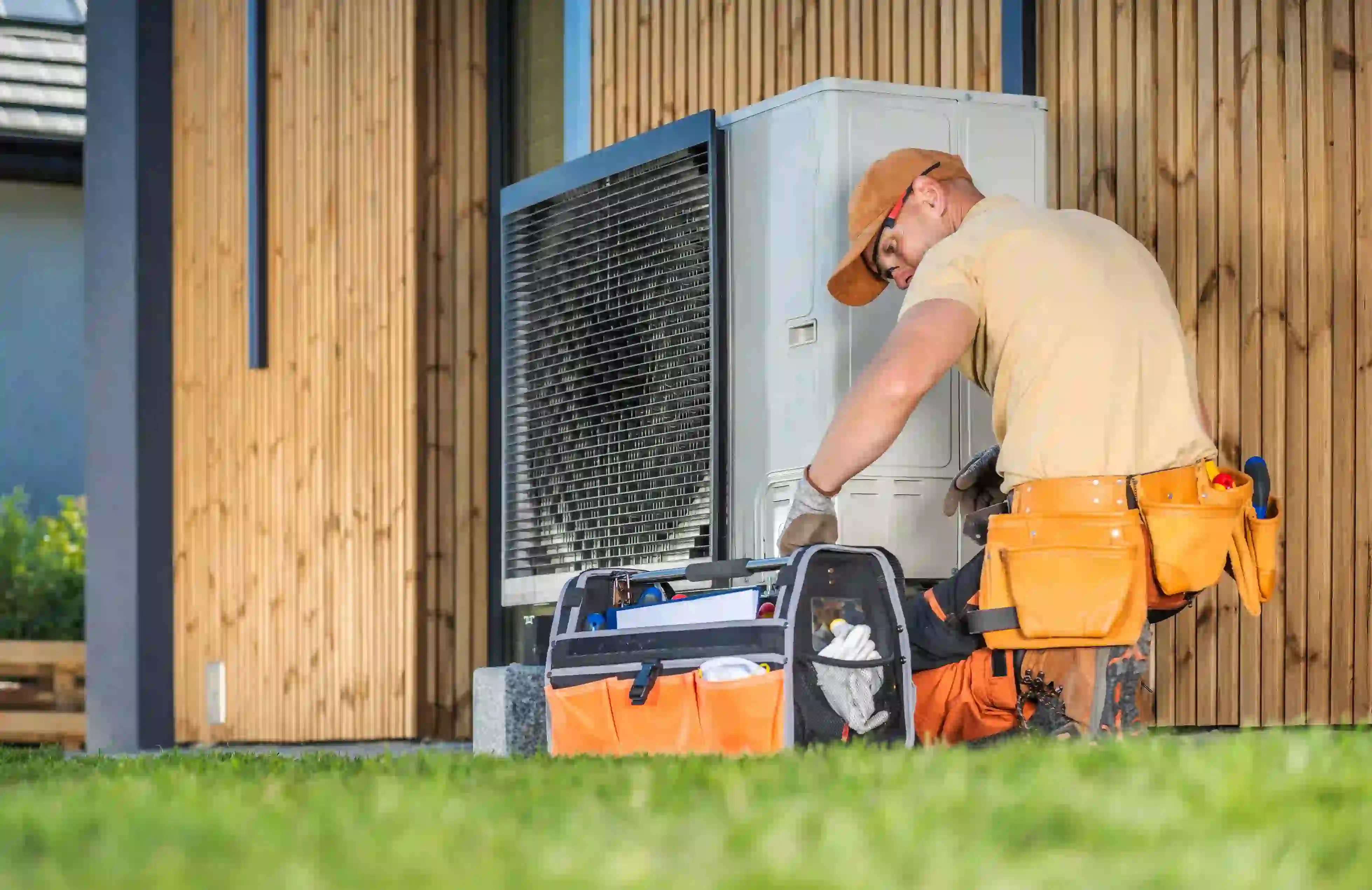
A significant portion of maintenance involves cleaning components that affect airflow and combustion. Over time, dust and debris accumulate on critical parts, acting as insulation that traps heat where it shouldn't be or blocking airflow necessary for heat transfer.
- Blower Motor and Wheel: The blower component is responsible for moving air through the home. If the wheel is caked with dust, it becomes heavy and unbalanced, causing the motor to work harder and draw more amps. Cleaning this component reduces strain on the motor and improves airflow.
- Burner Assembly (Gas Furnaces): For gas systems, the burners must be free of rust and corrosion. Dirty burners result in incomplete combustion, which lowers efficiency and can produce higher levels of carbon monoxide.
- Heat Exchanger Inspection: This is the most critical safety check. Technicians inspect the heat exchanger for cracks or fissures. A cracked heat exchanger can allow exhaust gases to mix with the breathing air in your home.
- Electrical Connection Tightening: Vibrations from normal operation can loosen electrical connections over time. Loose wires cause resistance, heat buildup, and eventual component failure. Tightening these connections prevents unexpected outages.
- Thermostat Calibration: If the thermostat is reading the temperature incorrectly, the system may run longer than necessary or short cycle. Calibration ensures the temperature you set is the temperature you get.
The Service Workflow: How We Maintain Your System
Understanding the process helps homeowners know exactly what they are paying for. The maintenance workflow is a disciplined, step-by-step procedure ensuring no component is overlooked.
- Initial Assessment and Safety Check: The technician begins by cycling the system on to observe its operation. This includes listening for unusual noises, smelling for gas or burning odors, and checking the immediate area for safety hazards like blocked vents or combustible materials near the unit.
- Diagnostic Testing and Measurements: Next, the technician uses specialized tools to measure the system's performance. This includes checking the voltage and amperage of the blower motor and inducer motor against the manufacturer’s data plate. For gas units, gas pressure is measured at the manifold to ensure the fuel-to-air ratio is correct.
- Cleaning and Lubrication: Once the diagnostic data is recorded, the physical work begins. Moving parts that require lubrication are greased to reduce friction. Filters are inspected and replaced if necessary. The condensate drain line is cleared of any algae or blockage to prevent water damage.
- Final Operation Test: After cleaning and adjustments, the system is restarted. The technician measures the "temperature rise"—the difference in temperature between the air entering the return duct and the air leaving the supply vents. This number must fall within the manufacturer's specified range to ensure the unit isn't overheating or underperforming.
- Reporting: Finally, the technician provides a detailed report of the findings. This includes the current status of the system, any adjustments made, and recommendations for future repairs or replacement if parts are nearing the end of their lifecycle.
Deciding Between Repair and Replacement
One of the most difficult decisions homeowners face is knowing when to stop repairing an aging unit and invest in a modern replacement. While maintenance extends the life of a heater, every mechanical system has a finite lifespan. Making the right choice depends on specific data points regarding the unit's age, efficiency, and repair history.
The 50% Rule
A common metric used in the industry is the 50% rule. If the cost of a necessary repair approaches 50% of the cost of a new system, replacement is generally the wiser financial move. Investing significant capital into an old system that may fail again in a few months often results in diminishing returns.
Frequency of Breakdowns
If a heating system requires repairs more than once a season, it signals that the internal components are failing in a cascade. As one part is fixed, the increased pressure on the remaining old parts often causes the next weakest link to snap. Constant service calls can quickly exceed the monthly cost of financing a new, high-efficiency unit.
Efficiency Ratings (AFUE)
Older furnaces often operate at 60% to 70% AFUE (Annual Fuel Utilization Efficiency). This means 30 to 40 cents of every dollar spent on heating fuel is wasted up the flue pipe. Modern systems can reach efficiencies of 95% or higher. If energy bills in Chauvin are steadily climbing despite moderate usage, the system’s inefficiency is likely the culprit. Replacing it can result in immediate monthly savings — view current promotions today.
Comfort Consistency
If some rooms in the house are freezing while others are sweltering, the heating system may be undersized, oversized, or suffering from failing ductwork. Maintenance can improve this, but if the unit itself is incapable of distributing heat evenly due to age or poor initial installation, replacement with a properly sized unit is the only permanent solution.
Local Climate Factors Impacting Heating Systems
In Chauvin, the subtropical climate presents unique challenges for heating systems. Unlike northern climates where heaters run constantly, our systems often sit idle for long periods, which can be just as damaging as overuse.
Humidity and Corrosion
High humidity levels throughout the year mean that moisture is always present. For metal components within a furnace, this accelerates rust and corrosion. Even when the heater is not in use during the summer, humidity can attack the heat exchanger and electrical contacts. Regular maintenance is essential to inspect for rust that could compromise the structural integrity of the unit.
The "First Cold Snap" Phenomenon
Because winters are mild, homeowners often forget about their heater until the first freeze hits. When thousands of systems are turned on simultaneously after months of dormancy, weak components fail. This creates a surge in demand for emergency service. Pre-season maintenance ensures that the system is ready to fire up safely the moment the temperature drops, avoiding the wait times associated with peak demand.
Mold and Indoor Air Quality
The combination of heat and humidity can create an environment conducive to mold growth within the ductwork or on the blower wheel. A heating maintenance service includes checking these areas. Ensuring the system is clean prevents the circulation of mold spores and allergens when the heat is turned on, protecting the respiratory health of the household.
Why Technical Expertise Matters
Choosing the right provider for heating services ensures that the job is done according to code and manufacturer standards. The heating industry is governed by strict regulations regarding fuel lines, exhaust venting, and electrical safety.
Code Compliance and Safety
Improperly serviced heaters are fire hazards and carbon monoxide risks. Professional technicians adhere to local building codes and National Fire Protection Association (NFPA) standards. This compliance is not just about legality; it is about ensuring the physical safety of the property and its inhabitants.
Warranty Preservation
Most heating equipment manufacturers require proof of annual maintenance to keep warranties valid. If a major component like a compressor or heat exchanger fails, the manufacturer may deny the warranty claim if there is no record of professional service. Martin's Heating & Air Conditioning ensures all documentation is provided to keep warranties active.
Advanced Diagnostic Tools
Modern heating systems rely heavily on electronics and sensors. Diagnosing issues requires more than a screwdriver; it requires multimeters, manometers, and combustion analyzers. Professional teams are equipped with these tools to pinpoint issues that are invisible to the naked eye.
Secure Your Comfort Today
The reliability of your heating system directly impacts your quality of life during the winter months. Delaying maintenance or ignoring signs of failure can lead to uncomfortable nights and expensive emergency repairs. A proactive approach to heating care ensures that the system runs efficiently, safely, and reliably for years to come.
Whether you require a routine tune-up, a complex repair, or a discussion about financing a new installation, professional support is available. Do not wait until the system fails completely. Contact us today to schedule your heating maintenance service and ensure your home stays warm this season.
Talk to a Local HVAC Expert
.avif)