
Is Your Heat Pump Failing to Keep Your Home Comfortable?
Is your heat pump failing to keep up with the Louisiana heat, or struggling during unexpected cold snaps in Mathews? Our certified technicians offer rapid, reliable repairs and maintenance to get your system back in peak condition; contact us now to schedule a diagnostic visit.
Residents in this region know that a malfunction isn't just an inconvenience; it is a disruption to their daily life and safety. You need a solution that addresses the root cause immediately, ensuring consistent temperature control regardless of the weather outside.
- Same-day service is available to address urgent heat pump issues quickly.
- Comprehensive maintenance plans to prolong the life of your system.
- All services are performed by experienced, locally licensed professionals.
All installations and repairs comply with local Mathews codes, backed by industry-leading warranties and flexible financing options.
Why You Can't Ignore Heat Pump Maintenance
In the humid subtropical climate of Mathews, LA, your heat pump works harder than systems in more moderate zones. It pulls double duty, removing massive amounts of heat and humidity during the long summer and reversing its cycle to provide warmth during the damp, chilly winters. This year-round operation places significant stress on components like the compressor, reversing valve, and refrigerant lines. Ignoring these signs or skipping seasonal maintenance often leads to catastrophic failure exactly when you need the system most.
Neglecting routine care results in reduced efficiency, meaning you pay more on your monthly utility bills for less comfort. Dust and debris accumulation on the evaporator coils act as an insulator, preventing the system from absorbing heat effectively. In the summer, this means the unit runs longer to cool the house, leading to increased wear and tear. In the winter, dirty coils can cause the system to freeze up, triggering the emergency heat strip more often than necessary, which is the most expensive way to heat your home.
Furthermore, minor issues such as loose electrical connections or small refrigerant leaks can silently escalate into major repairs. A capacitor that is failing might cost a small amount to replace during a maintenance visit, but if it fails completely, it can damage the compressor, leading to a repair bill that costs thousands. Martin's Heating & Air Conditioning focuses on preventative measures to catch these issues early. Regular servicing ensures that your warranty remains valid, as most manufacturers require proof of annual maintenance to honor parts replacement claims.
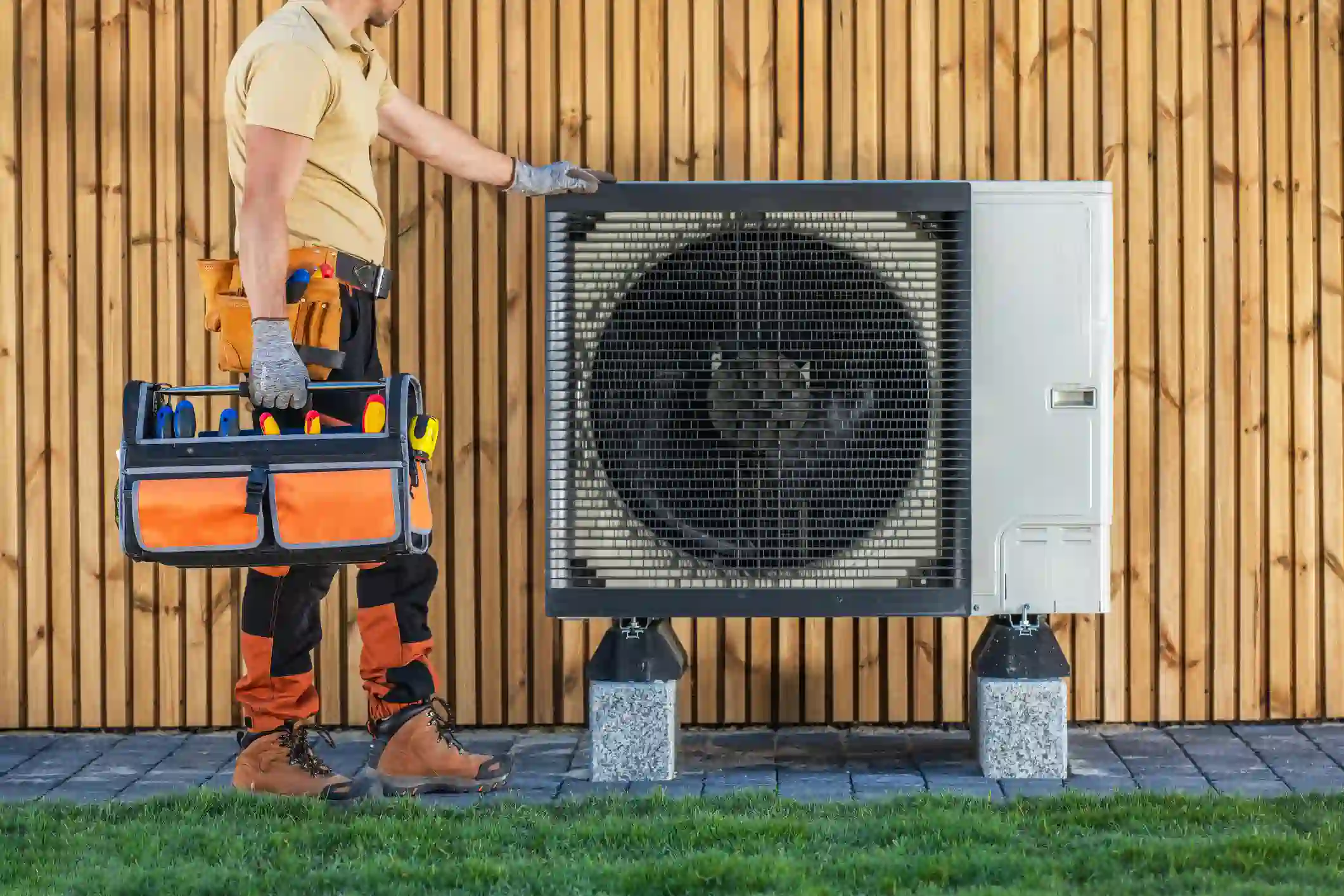
Today's Heat Pump Service: What to Expect
When you schedule a professional service visit, you are paying for a comprehensive analysis of your HVAC system, not just a quick filter change. The goal is to restore the unit to factory specifications and ensure it operates safely and efficiently. A thorough inspection covers the mechanical, electrical, and airflow aspects of the heat pump.
Electrical and Mechanical Safety Checks
- Capacitor Testing: Technicians measure the microfarads on run and start capacitors. Weak capacitors strain the compressor and fan motors, leading to premature burnout.
- Amperage and Voltage checks: Measuring the voltage and amperage draw on motors ensures they are not working harder than they were designed to. High amp draw usually indicates friction, loose wiring, or a failing component.
- Tightening Electrical Connections: Vibration from normal operation can loosen wires over time. Loose connections create resistance and heat, which can melt wires or cause electrical fires.
- Thermostat Calibration: Ensuring the thermostat reads the temperature accurately prevents the system from overrunning or short-cycling.
Refrigerant and Airflow Optimization
- Refrigerant Level Check: The system requires a precise charge of refrigerant to transfer heat effectively. Technicians look for signs of leaks and verify subcooling and superheat levels to ensure maximum efficiency.
- Coil Cleaning: Cleaning the outdoor condenser coil and the indoor evaporator coil allows for proper heat exchange. In Mathews, pollen, dust, and grass clippings frequently clog outdoor units.
- Condensate Drain Line Clearing: Heat pumps remove gallons of water from the air during the summer. If the drain line clogs with algae or sludge, it can back up and cause water damage to your home. Technicians flush these lines and treat them to prevent biological growth.
- Reversing Valve Operation: The reversing valve is what switches the unit between heating and cooling modes. Technicians verify it shifts correctly without getting stuck.
Your Guide to Heat Pump Installation and Replacement
Installing a new heat pump is a complex process that requires strict adherence to technical standards. A proper installation determines 75% of the system's efficiency and longevity. Simply swapping out an old box for a new one without doing the necessary calculations often results in a system that is loud, inefficient, and prone to early failure.
Sizing and Load Calculation
- Manual J Calculation: Before any equipment is selected, a load calculation must be performed. This accounts for the square footage of your home, insulation levels, window quality, and the local climate in Mathews.
- Avoid Oversizing: An oversized unit will cool the house too quickly, shutting off before it has removed the humidity. This leads to a cold, clammy indoor environment and "short cycling," which wears out the compressor.
- Avoid Undersizing: An undersized unit will run continuously on hot days, never reaching the set temperature and driving up electric bills.
The Installation Process
- Site Preparation: The outdoor pad is leveled to ensure proper compressor oil distribution. In flood-prone areas, the unit may need to be elevated on a stand.
- Refrigerant Line Set Protection: Copper lines connect the indoor and outdoor units. These must be brazed with nitrogen to prevent oxidation inside the pipe, which can clog the new system's delicate valves.
- Vacuum and Pressure Test: Once connected, the system is pressure-tested to ensure there are no leaks. Then, a deep vacuum is pulled to remove all moisture and non-condensables from the lines. Moisture inside the system mixes with refrigerant oil to create acid, which eats away at the motor windings.
- Airflow Balancing: The ductwork is inspected to ensure it can handle the airflow of the new system. Static pressure is measured to confirm the blower motor is not working against high resistance.
Deciding Between Heat Pump Repair and Replacement
Homeowners often struggle with the decision to repair a faltering unit or invest in a modern replacement. There are clear indicators that help move this decision from a guess to a calculation. Understanding the lifecycle of your equipment helps you avoid throwing money at a dying system.
The Age and Frequency Factor
- The 50% Rule: If the cost of the repair approaches 50% of the value of a new system, replacement is generally the better financial move.
- System Age: Heat pumps in this region typically last 10 to 15 years. If your system is over 12 years old and requires a major repair like a compressor or coil replacement, investing in a new unit usually offers a better return on investment.
- Rising Energy Bills: If your usage habits haven't changed but your energy bills are creeping up, the system's efficiency has degraded. New inverter-driven heat pumps are significantly more efficient than models from a decade ago.
Refrigerant Considerations
- R-22 Phase Out: Older systems that use R-22 (Freon) are becoming prohibitively expensive to repair because the refrigerant is no longer manufactured. If an R-22 system develops a leak, replacement is almost always the only viable option.
- R-410A and Newer Blends: Modern systems use environmentally friendly refrigerants that are readily available and more efficient at transferring heat.
Comfort and Reliability
- Uneven Temperatures: If some rooms are hot while others are cold, your current system may be losing compression or have ductwork issues that a new installation would correct.
- Noise Levels: As components wear out, they often become louder. Grinding, squealing, or rattling noises indicate internal failure. Modern systems run much quieter, improving your outdoor and indoor living experience.
Martin's Heating & Air Conditioning helps you evaluate the condition of your current unit objectively, providing transparent data so you can make the right choice for your budget and comfort — view current promotions.
Mathews Permits and Seasonal Considerations for Your Heat Pump
Operating HVAC equipment in Mathews requires specific attention to the local environment. The high average annual precipitation and vulnerability to tropical storms necessitate safeguards that might not be standard in other parts of the country.
Humidity Management
- Latent Heat Removal: From March to October, the humidity is oppressive. Your heat pump must be capable of running long cycles to remove moisture from the air. Variable-speed air handlers are excellent for this, as they can slow down the airflow to maximize dehumidification without overcooling the space.
- Biological Growth: The wet climate encourages mold and algae growth in drain pans and lines. Regular treatment of these components is mandatory to prevent water leaks and indoor air quality issues.
Storm Preparedness and Corrosion
- Hurricane Tie-Downs: Local codes require outdoor units to be securely anchored to the concrete pad or stand. This prevents the unit from being tipped over or carried away during high wind events typical of hurricane season.
- Corrosion Protection: The proximity to the coast means salt and moisture are always in the air. This accelerates corrosion on the delicate aluminum fins of the outdoor coil. Specialized coatings can be applied to new units to extend their lifespan in these harsh conditions.
- Flood Elevation: For homes in lower-lying areas, heat pumps must be installed on elevated stands to ensure they remain above potential floodwaters. Submersion in water destroys the electrical components and usually requires a total system replacement.
Permitting and Compliance
- Electrical Codes: Heat pumps require dedicated electrical circuits with specific wire gauges and breaker sizes. Improper electrical work is a fire hazard. Professional installation ensures compliance with the National Electrical Code (NEC) as adopted by local authorities.
- Refrigerant Handling: Federal law mandates that refrigerant must be recovered and recycled, not vented into the atmosphere. Certified technicians carry the necessary EPA licensing to handle these chemicals responsibly.
Why Choose Us: Our Commitment to Excellence
Selecting a service provider is about trust and technical competence — read customer reviews. You need a team that understands the specific challenges of the local climate and has the expertise to solve complex thermodynamic problems.
- Local Expertise: We understand the unique humidity and weather patterns of the region, ensuring your system is tuned to handle the specific load requirements of your home.
- Certified Technicians: Our team undergoes continuous training to stay updated on the latest heat pump technologies, including variable refrigerant flow (VRF) and communicating systems.
- Transparent Communication: We explain the issue clearly, provide options, and never proceed with work without your authorization. There are no hidden fees or surprise charges.
- Tooling and Technology: We utilize advanced diagnostic tools, such as digital manifolds and electronic leak detectors, to pinpoint problems accurately rather than guessing.
We focus on delivering results that improve your comfort and lower your operational costs. Whether it is a routine tune-up or an emergency repair during a heatwave, we approach every job with the same level of urgency and professionalism. Ensure your home remains comfortable year-round with a heating and cooling system you can rely on. Do not wait for a complete breakdown to address performance issues. Schedule your heat pump service or consultation today.
Schedule Your Heat Pump Service Today
Keep your home comfortable year-round with heat pump specialists who understand the demanding humidity and seasonal temperature swings of Mathews, LA. Whether your system needs preventative maintenance, performance tuning, or urgent troubleshooting, Martin’s Heating & Air Conditioning delivers same-day service, upfront pricing, and licensed expertise backed by strong warranties. Don’t wait for a small issue to turn into a costly breakdown—schedule your heat pump service or maintenance visit today and protect your comfort all season long.
Talk to a Local HVAC Expert

.avif)