Facing Air Conditioning Challenges? Get Expert HVAC Services
Battling the intense Raceland heat or unexpected HVAC breakdowns requires immediate attention before minor issues escalate into costly repairs. Martin’s Heating & Air Conditioning provides swift, reliable solutions tailored to your specific climate control needs, ensuring your system operates at peak efficiency year-round. Contact us immediately to schedule your comprehensive system tune-up or repair service.
Homeowners and business owners frequently underestimate the strain that local weather patterns place on climate control systems. Without consistent oversight, efficiency drops, energy bills rise, and the lifespan of the equipment decreases significantly. Our approach focuses on preventative measures and rapid resolution of existing problems to restore comfort quickly:
- Rapid response times with 24/7 service availability to handle emergencies.
- Expert repairs and maintenance performed by certified, experienced professionals.
- High customer satisfaction driven by long-term service guarantees and transparent communication.
All services are fully licensed, insured, and backed by comprehensive warranties for your peace of mind.
Comprehensive HVAC Maintenance Scope
Routine maintenance is not merely a visual inspection; it is a rigorous calibration of your heating and cooling infrastructure. The primary goal of a service visit is to return the system to factory specifications, ensuring that the energy you pay for translates directly into indoor comfort. In Raceland, where humidity levels remain high for much of the year, the scope of maintenance must go beyond basic filter changes to address moisture control and airflow dynamics.
A professional tune-up involves a detailed examination of the system’s critical components. Technicians focus on the electrical connections first. Loose or corroded connections can cause voltage fluctuations that damage components and create fire hazards. Tightening these connections and measuring the voltage and current on motors is essential to prevent premature failure.
The cleaning of coils is another vital aspect of the service scope. The evaporator and condenser coils collect dirt over time. This buildup acts as an insulator, reducing the coil's ability to absorb heat. When heat transfer is impeded, the compressor must run longer and harder to achieve the set temperature. This not only spikes utility costs but also leads to compressor burnout. Professional cleaning removes this debris to restore efficient heat exchange.
Refrigerant levels are checked to ensure they match the manufacturer’s specifications. Too much or too little refrigerant forces the system to work inefficiently and can damage the compressor. If a deficit is found, it often indicates a leak, which must be located and repaired rather than simply topped off.
Additional maintenance tasks include:
- Lubricating all moving parts to reduce friction and electricity usage.
- Inspecting the condensate drain for clogs that can cause water damage and affect humidity levels.
- Checking the thermostat settings to ensure the cooling and heating system keeps you comfortable when you are home and saves energy when you are away.
- Inspecting system controls to verify proper cycle operation, ensuring the unit starts, operates, and shuts off safely.
The Maintenance and Tune-Up Process
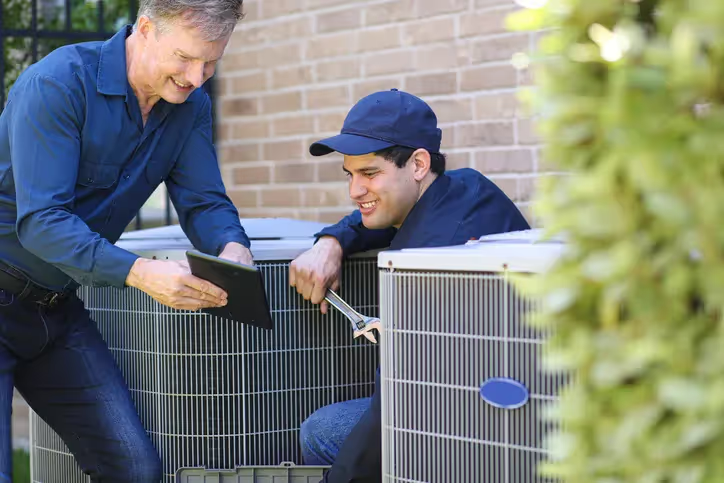
Understanding the workflow of a professional maintenance visit helps homeowners prepare and highlights the value provided during the appointment. The process is systematic, ensuring no component is overlooked and that the system is safe for continued operation. Martin’s Heating & Air Conditioning technicians follow a rigorous checklist designed to uncover hidden issues before they result in a system failure.
The process begins with a comprehensive site assessment. Upon arrival, the technician assesses the general condition of the unit and the surrounding area. This includes checking for debris around outdoor units that might restrict airflow and verifying that indoor vents are unobstructed. The technician will also discuss any specific comfort concerns or noises the homeowner has noticed.
Following the initial assessment, the system is powered down for safety, and the internal inspection begins. This phase involves opening the access panels to inspect the blower motor, belts, and internal wiring. If the system uses belts, they are checked for wear and proper tension. The blower motor is inspected for dust buildup, which can cause overheating.
Next, the focus shifts to the cleaning and calibration phase. This is the hands-on portion of the service where debris is removed from the cabinet, coils are chemically cleaned if necessary, and the condensate line is flushed to prevent algae growth and blockages. During this stage, the air filter is replaced or cleaned, depending on the type of filtration system installed.
The final phase involves system testing. The power is restored, and the unit is run through a full cycle. The technician measures the temperature drop across the evaporator coil to ensure the system is cooling or heating effectively. They also check the amperage draw of the compressor and fan motors:
- Initial Evaluation: Assessment of unit placement, airflow, and homeowner concerns.
- Safety Inspection: Shutting down power to inspect wiring, capacitors, and contactors.
- Deep Cleaning: Removal of debris from coils, clearing drain lines, and changing filters.
- Calibration: adjusting gas pressure (for furnaces), checking refrigerant charge, and tensioning belts.
- Performance Testing: Running the system to measure temperature differentials and airflow static pressure.
- Reporting: Providing a detailed written report of findings, work performed, and recommendations for future repairs or replacement.
When to Replace vs. Repair Your HVAC System
Deciding between repairing an aging unit or investing in a new system is a financial calculation that involves more than just the immediate cost of the repair. Homeowners in Raceland often face this decision during the peak of summer when the system is under the most stress. Making an informed choice requires weighing the age of the equipment, the frequency of breakdowns, and the potential energy savings of a modern unit.
The "50% Rule" is a standard metric used in the industry. If the cost of the repair approaches 50% of the value of the system, it is generally more financially sound to upgrade. For example, replacing a compressor in an older unit is a significant expense. If that unit is also out of warranty and uses outdated refrigerant, the money spent on repair is likely better invested in a new system with a fresh warranty.
Age is the second critical factor. The average lifespan of a well-maintained HVAC system is between 10 and 15 years. If your equipment is nearing or past the 15-year mark, even minor repairs may be throwing good money after bad. Older units are significantly less efficient than modern counterparts. Upgrading to a system with a higher SEER2 (Seasonal Energy Efficiency Ratio) rating can reduce monthly energy bills by a substantial margin, offsetting the installation cost over time.
Frequency of repairs also signals the end of a unit's lifecycle. If you have required multiple service calls in the last two seasons, the system is demonstrating unreliability. Continual breakdown repairs add up quickly and result in recurring inconvenience.
Consider replacement if:
- The equipment is over 10 years old and requires a major repair.
- Your energy bills are rising despite consistent usage patterns.
- Some rooms in your home are too hot or too cold, indicating the system can no longer distribute air effectively.
- The system uses R-22 refrigerant, which is phased out and extremely expensive to replenish.
- The unit makes excessive noise or emits strange odors during operation. — investing in a new system is a financial calculation that involves more than just the immediate cost of the repair.
Local Considerations for HVAC Operations
Operating HVAC equipment in Louisiana presents unique challenges that are not present in drier or cooler climates. The specific environmental conditions in this region dictate how systems must be maintained and installed to prevent premature corrosion and failure.
Humidity control is the most pressing local factor. High ambient humidity means the air conditioner must work harder to remove moisture from the indoor air. If the system is short-cycling (turning on and off too quickly) or if the evaporator coil is dirty, humidity remains in the home. This can lead to mold growth in ductwork and on walls. Maintenance ensures the system runs long enough to effectively dehumidify the space.
Corrosion is another significant risk, particularly for outdoor condenser units. The proximity to the Gulf and the presence of salt in the air can accelerate the rusting of coils and metal cabinets. Regular cleaning of the outdoor unit is essential to wash away corrosive elements. Furthermore, local pests can be a threat; ants and small animals are often drawn to the electrical components of the condenser, leading to short circuits.
Tropical storms and hurricanes are a reality for this region. Part of responsible ownership involves ensuring the outdoor unit is securely anchored to its concrete pad. During maintenance, technicians check the integrity of these anchors and the condition of the refrigerant lines to ensure they can withstand high winds and debris impact.
Permitting and utility regulations also play a role in service work. Major repairs or replacements often require adherence to local building codes to ensure safety and efficiency. Certified providers handle the logistics of permits, ensuring that all work complies with local ordinances regarding electrical safety and noise levels:
- Humidity Management: Ensuring condensate drains are clear and the system is sized correctly to remove moisture.
- Corrosion Protection: Frequent cleaning of outdoor coils to remove salt spray and contaminants.
- Storm Security: Verifying that tie-downs and anchors are secure for hurricane season.
- Pest Control: Sealing electrical access points to prevent insect infestation in contactors.
- Electrical Safety: Checking compatibility with local utility voltage delivery to prevent brownout damage.
Why Professional Execution Matters
In an industry where precision dictates performance, the qualifications of the service provider determine the longevity of the equipment. Choosing a service partner implies trusting them with the comfort and safety of the property. The difference between a quick fix and a lasting solution often lies in the depth of diagnostics and the quality of the parts used.
Established service providers prioritize diagnostic accuracy over speed. A technician who rushes through a checklist may miss subtle signs of wear, such as a capacitor drifting out of tolerance or a bearing starting to seize. These small issues, if left unaddressed, eventually cause catastrophic failure. By utilizing advanced diagnostic tools, professionals can identify these trends and correct them proactively.
Availability is another key differentiator. HVAC failures rarely happen at convenient times. A service provider that offers extended hours and rapid response capabilities ensures that downtime is minimized. This is critical in extreme temperatures where a lack of climate control can pose health risks to vulnerable occupants or damage sensitive property.
Transparency in pricing and scope prevents unexpected costs. Professional services provide clear, written estimates before work begins, explaining exactly what is wrong, what is needed to fix it, and why. This approach allows the property owner to make educated decisions regarding their asset management without pressure.:
- Certified Expertise: Technicians undergo continuous training to stay current with evolving HVAC technology and efficiency standards.
- Advanced Diagnostics: Utilization of digital gauges and thermal imaging to detect issues invisible to the naked eye.
- Inventory Readiness: Service trucks stocked with universal parts to resolve most repairs in a single visit.
- Regulatory Compliance: Adherence to all EPA regulations regarding refrigerant handling and disposal.
Secure Your Comfort with Reliable Service
Your heating and cooling system is the heart of your home’s functionality, essential for navigating the humid and hot climate. Neglecting maintenance or delaying necessary repairs inevitably leads to higher costs and reduced comfort. By choosing a structured maintenance plan, you protect your investment and ensure consistent performance regardless of the weather outside.
Whether you require an urgent repair, a seasonal tune-up, or an honest assessment of your current system's viability, expert assistance is available. Martin’s Heating & Air Conditioning delivers the technical proficiency and customer-focused care necessary to keep your environment comfortable and safe.
Do not wait for a complete system breakdown to take action. Schedule your professional service appointment today and ensure your HVAC system is ready for the season ahead.
Talk to a Local HVAC Expert
.avif)