AC Service & Maintenance in Golden Meadow, LA
Stay cool with AC service and maintenance in Golden Meadow LA from Martin’s A/C & Electric. Prevent breakdowns and schedule today.
Restore Cooling Efficiency and System Reliability Immediately
Experiencing inconsistent airflow, strange noises, or unexpected breakdowns during the humid heat in Golden Meadow? Contact us now to schedule a comprehensive maintenance appointment and restore your comfort.
High humidity and soaring temperatures put immense strain on cooling systems, leading to reduced efficiency and sudden failures if not properly managed. Martin's Heating & Air Conditioning offers rapid, reliable solutions to get your system back to peak performance.
- Ensure your home remains comfortable with prompt service appointments that fit your schedule.
- Extend the operational lifespan of your cooling unit through expert, component-level maintenance.
- Avoid expensive emergency repairs by catching minor electrical and mechanical issues early.
- Fully licensed, insured, and providing up-front pricing—no surprises or hidden fees.
Quick Fixes to Restore Your AC Efficiency
When your air conditioner struggles to keep up with the thermostat setting, the root cause is often an accumulation of wear and tear rather than a single catastrophic failure. Homeowners often notice that their system runs constantly without lowering the temperature, or that certain rooms remain uncomfortable while others freeze. These symptoms indicate that the system is working harder than necessary to produce the same amount of cooling, which spikes energy bills and accelerates component degradation.
Professional maintenance addresses the friction points within your HVAC system. Over time, dust bypasses filters and settles on the evaporator coil, insulating it and preventing heat absorption. Simultaneously, the outdoor condenser coil can become clogged with dirt, grass clippings, and debris, rendering it unable to release heat effectively. When both coils are dirty, the compressor must work at maximum capacity to bridge the temperature gap, leading to overheating and premature failure.
Restoring efficiency requires a systematic approach to cleaning and calibration. This involves more than just swapping a filter. It requires analyzing airflow restrictions, checking refrigerant pressures against manufacturer specifications for subcooling and superheat, and ensuring that all electrical connections are tight and free of corrosion. By addressing these efficiency killers, you restore the system's ability to cool the home quickly and cycle off, rather than running indefinitely.
What to Expect: Service Scope and Timelines
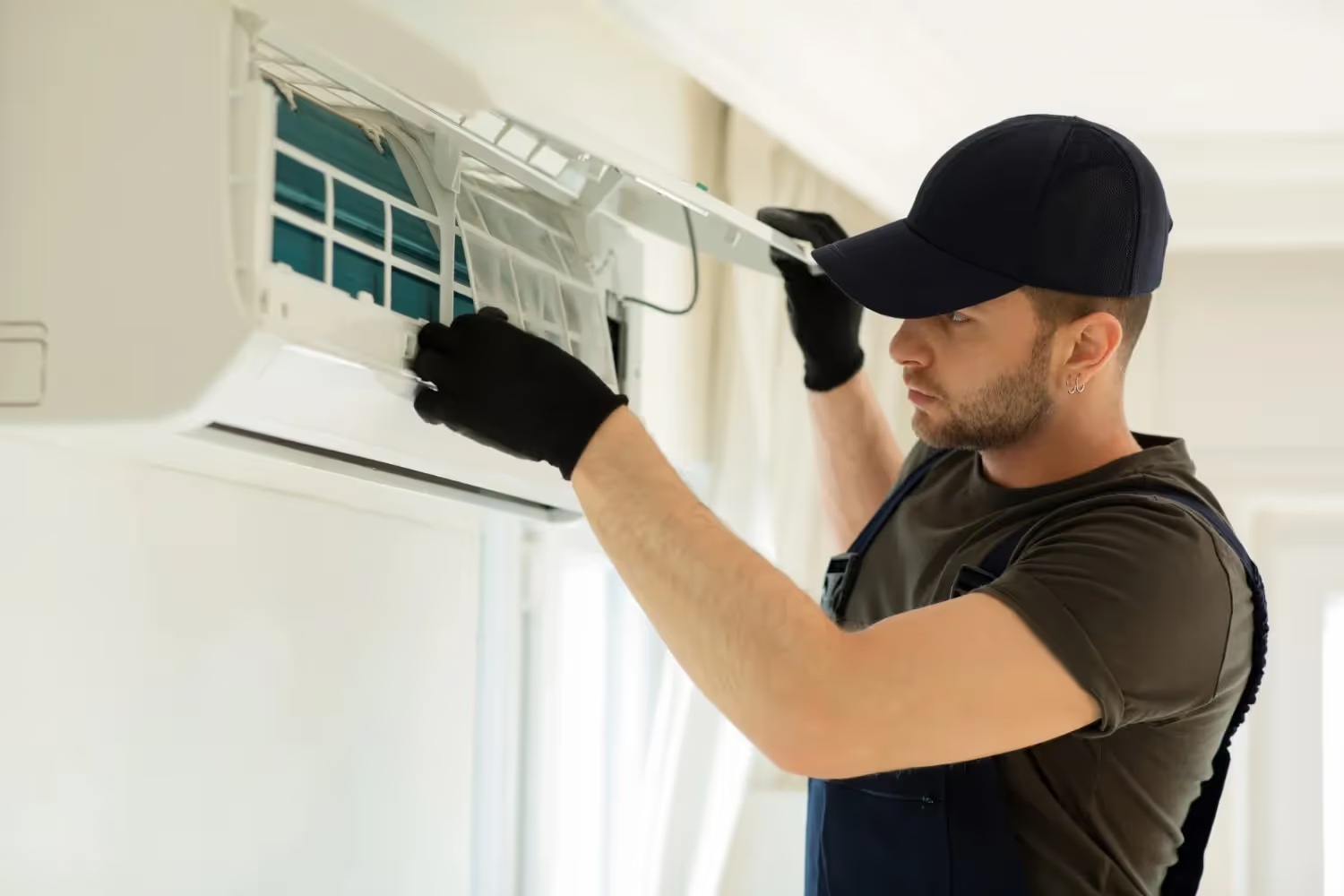
Engaging a professional for AC maintenance ensures a comprehensive audit of your climate control system. This service is designed to be a preventative measure that transitions a system from "surviving" to "thriving." The scope of work covers the entire refrigeration cycle, the electrical control circuit, and the air distribution system. The goal is to identify deviations from factory specifications before they result in a breakdown.
A standard maintenance visit typically requires one to two hours, depending on the accessibility of the indoor and outdoor units and the general condition of the equipment. Technicians arrive fully equipped to handle common issues immediately, reducing the need for follow-up visits. The service timeline is structured to minimize disruption to your daily routine while ensuring no component goes unchecked.
Regarding the scope of the electrical analysis, technicians measure voltage and amperage on all motors and the compressor. If a motor is drawing too many amps, it is a sign of resistance or bearing failure. If a capacitor is reading below its microfarad rating, it is on the verge of failure and needs replacement. Catching a weak capacitor today prevents a blown motor tomorrow.
Mechanical checks are equally rigorous. The service includes inspecting the blower wheel for debris buildup, which acts like a weight on the fan blades, causing imbalance and noise. Bearings are lubricated if applicable, and belts are checked for tension and wear. This thorough scope ensures that when the technician leaves, the system is reliable, safe, and efficient.
Our AC Maintenance Process: Step-by-Step Guide
Our maintenance protocol follows a rigorous checklist to ensure every aspect of your cooling system functions correctly. This systematic approach guarantees consistency and thoroughness.
Initial System Assessment
The process begins with an operational test of the thermostat to verify it reads temperature accurately and communicates correctly with the control board.
Technicians listen for abnormal sounds such as grinding, rattling, or hissing, which indicate mechanical stress or refrigerant leaks.
Airflow is measured at supply and return registers to detect blockages or ductwork leaks.
Evaporator and Condenser Cleaning
Technicians access the indoor evaporator coil to check for mold, mildew, and dust impaction.
Chemical cleaning agents are applied to the outdoor condenser coil to dissolve grime and compacted dirt without damaging the delicate aluminum fins.
Debris is removed from the base of the outdoor unit to promote proper airflow and prevent rust.
Drainage System Flush
The condensate drain line is vacuumed or flushed with nitrogen to remove algae and slime buildup.
The drain pan is inspected for standing water, rust, and cracks.
Safety float switches are tested to ensure they shut the system down in the event of a clog, preventing water damage to ceilings or floors.
Refrigerant and Electrical Check
Gauges are attached to monitor operating pressures and saturation temperatures.
Refrigerant levels are adjusted; if low, a leak search may be recommended.
Electrical contactors are inspected for pitting or burning, which can cause voltage drops and compressor damage.
All wiring connections are tightened to prevent arcing and overheating.
Final Performance Test
The system is run through a complete cooling cycle.
Temperature splits (the difference between air entering and leaving the system) are measured to confirm cooling capacity.
The maintenance visit concludes with a detailed report of findings and any recommendations for repairs.
Repair or Replace? A Helpful Guide for Your AC System
Deciding between repairing an aging unit or investing in a new system is a significant financial decision for homeowners. While Martin's Heating & Air Conditioning focuses on extending the life of your current equipment, there comes a point where repair costs outweigh the benefits of keeping an old system running. Understanding the key decision factors helps you make an informed choice that benefits your comfort and wallet in the long run.
The Age Factor
Most air conditioning systems have a lifespan of 10 to 15 years. If your unit is approaching or has surpassed the 12-year mark, major repairs become less viable. As parts wear out simultaneously, fixing one issue often leads to another breakdown shortly after. Newer systems also utilize environmentally friendly refrigerants, whereas older units may use phased-out types that are expensive and difficult to source.
The Cost of Repair vs. System Value
Industry experts often suggest the "50% Rule." If the cost of a necessary repair approaches 50% of the value of the system (or the cost of a new unit), replacement is usually the smarter option. For example, replacing a compressor in a 13-year-old unit is rarely cost-effective. However, replacing a capacitor or a fan motor in the same unit makes sense to get a few more years of service — view financing options.
Efficiency and Energy Bills
As systems age, their SEER (Seasonal Energy Efficiency Ratio) rating effectively drops due to wear. If your energy bills have been steadily climbing despite regular usage patterns, the system is losing its ability to cool efficiently. Replacing an old 10 SEER unit with a modern 16+ SEER system can result in significant monthly savings, which helps offset the installation cost over time.
Frequency of Breakdowns
If you require professional service more than once a year for repairs (outside of routine maintenance), the unit is unreliable. The inconvenience of frequent breakdowns, especially during the peak summer heat, has a value. A reliable, new system provides peace of mind that an aging system cannot.
Golden Meadow Climate Considerations for Optimal AC Performance
Operating an air conditioning system in Golden Meadow requires specific attention to environmental factors that are not present in drier or cooler climates. The local geography and weather patterns necessitate a proactive approach to maintenance to combat the elements.
Combatting Extreme Humidity
The primary challenge in this region is high humidity. An air conditioner does not just cool air; it dehumidifies it. When humidity levels outside exceed 90%, the system must run longer cycles to pull moisture out of the air. If the coil is dirty or the refrigerant is low, the system cannot remove moisture effectively, leading to a "clammy" feeling indoors. Routine maintenance ensures the evaporator coil stays clean and cold enough to condense water vapor efficiently, keeping indoor humidity levels in check.
Salt Air and Corrosion Risks
Proximity to the Gulf and coastal waterways introduces salt into the air. Salt is highly corrosive to the copper and aluminum components of an HVAC system, particularly the outdoor condenser coil. Without regular cleaning, salt buildup accelerates corrosion, leading to refrigerant leaks and the disintegration of cooling fins. Regular freshwater rinsing and chemical cleaning during maintenance visits are essential to wash away corrosive deposits and preserve the structural integrity of the unit.
Drainage Challenges
Because AC units in this climate remove massive amounts of water from the air, the condensate drainage system works overtime. Algae and mold thrive in the warm, dark, wet environment of a drain line. In this region, drain lines clog more frequently than in drier areas. Ensuring the drain line has the proper pitch and is flushed regularly is critical to preventing water backup and system shutoffs during the hottest days of the year.
Hurricane Season Preparation
The threat of tropical storms and hurricanes requires specific AC preparations. Maintenance includes checking the tie-downs and physical security of the outdoor unit. Loose panels or weak mounting brackets can lead to severe damage during high winds. Ensuring the unit is secure and debris is cleared from the immediate area minimizes the risk of impact damage during a storm.
Why Choose Professional Maintenance?
Opting for professional AC maintenance is an investment in home safety and financial predictability. Licensed technicians bring a depth of knowledge regarding local codes and manufacturer specifications that is essential for proper system care.
Validity of Manufacturer Warranties
Most HVAC manufacturers require proof of annual maintenance by a licensed professional to keep the parts warranty valid. Neglecting this service can lead to a claim denial if a major component, like a compressor, fails within the warranty period. Professional documentation serves as proof that the system was cared for according to the manufacturer's terms.
Safety and Electrical Compliance
HVAC systems operate with high-voltage electricity and, in some cases, natural gas for heating components. Loose connections, frayed wires, or compromised capacitors pose fire hazards. A professional inspection identifies these safety risks before they become dangerous. Furthermore, technicians ensure that all electrical components meet current safety standards and local building codes.
Enhanced Indoor Air Quality
A neglected AC system can become a breeding ground for biological growth and a distributor of allergens. By cleaning the coils, flushing the drain pan, and inspecting ductwork for leaks, professional maintenance reduces the circulation of dust, mold spores, and pollen. This is particularly important in humid climates where biological growth is a constant threat.
Long-Term Savings
While there is a cost associated with maintenance, the return on investment is realized through lower utility bills and the avoidance of catastrophic repair bills. A well-tuned system uses less electricity to do the same amount of work. Additionally, extending the life of the system by three to five years delays the significant capital expense of a full replacement — read our reviews.
Ready to Restore Your AC’s Efficiency?
Prioritizing the health of your cooling system ensures that your home remains a sanctuary against the heat and humidity. Martin's Heating & Air Conditioning is dedicated to providing the thorough, expert service required to keep your AC running smoothly year-round.
Talk to a Local HVAC Expert
.avif)